A Complete Guide to CRM Systems and Database Management
 Jeremy Wayne Howell : Jul 22, 2026 9:48:31 PM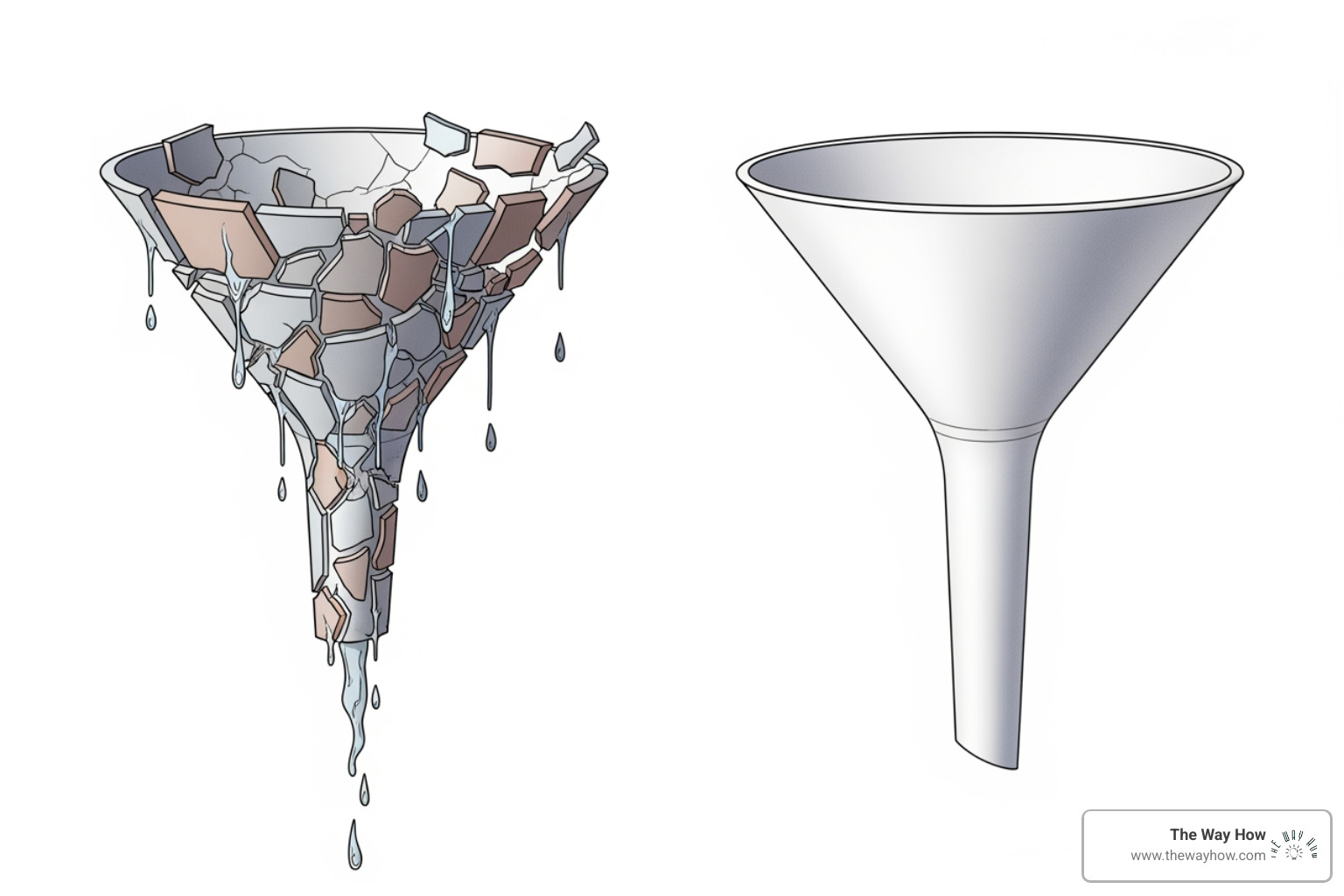
Sales funnel optimization is the process of identifying where potential buyers lose certainty, removing friction at each decision point, and creating a path that naturally guides prospects toward purchase. It’s not about adding more tactics—it’s about understanding why people drop out and fixing what’s actually broken.
Quick answer for optimizing your sales funnel:
You’ve probably felt it. The pressure to hit revenue targets. The frustration of watching leads enter your funnel only to disappear. The exhaustion from trying tactic after tactic that promised results but delivered inconsistency.
Here’s what most businesses get wrong: we treat our sales funnel like a plumbing problem. More traffic. Better ads. Shinier landing pages. But the funnel isn’t leaking because of tactics—it’s leaking because your buyers don’t feel certain enough to move forward.
The modern buyer has fundamentally changed. Over 70% of today’s B2B buyers prefer a sales experience that doesn’t involve talking with a rep. They’re researching on their own terms, comparing options in private, and making decisions long before they ever reach out. This shift from seller-led to buyer-led purchasing means your funnel must do more than capture attention—it must build trust and reduce uncertainty at every stage.
The sales funnel isn’t just a marketing framework. It’s a map of your buyer’s psychological journey. When you understand what creates certainty and what creates doubt, you stop guessing and start building a system that guides prospects naturally toward purchase.
The difference between a leaking funnel and one that generates predictable revenue isn’t more traffic or better tools. It’s clarity about what your buyer needs to believe at each stage—and removing everything that gets in their way.
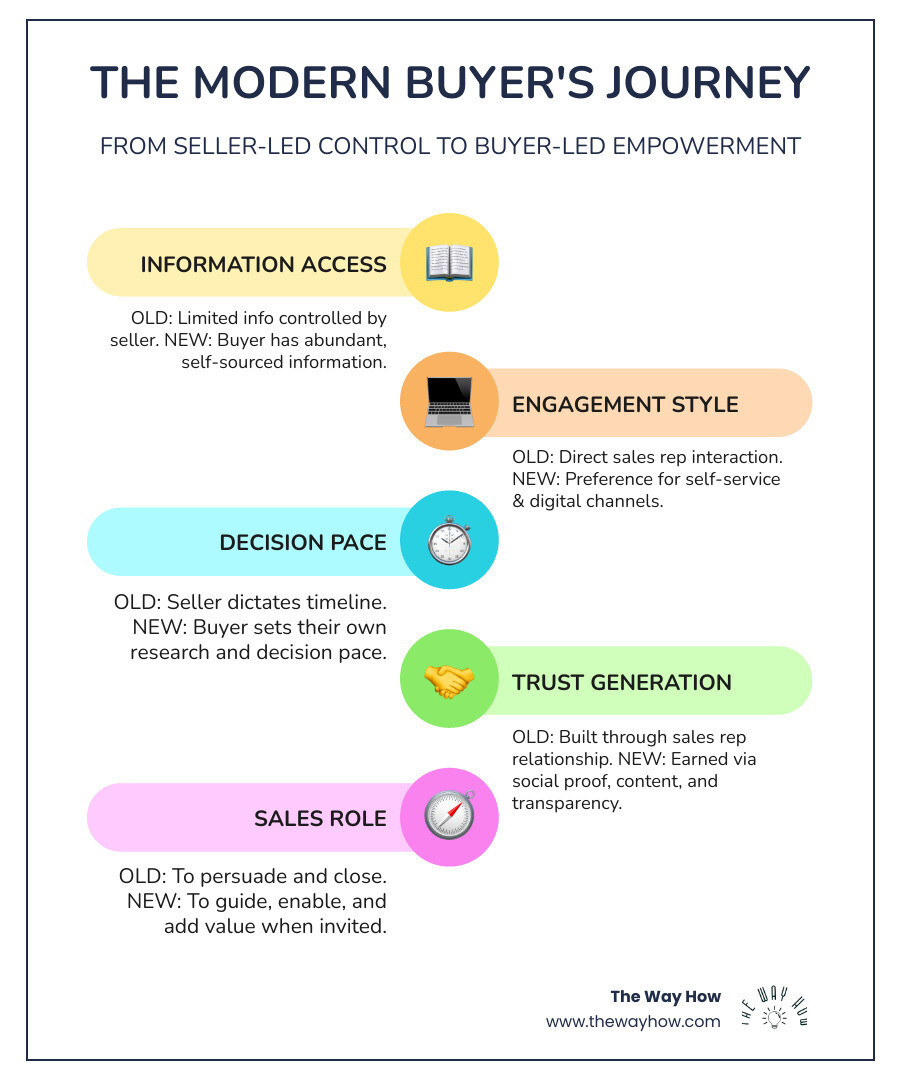
The traditional sales funnel, with its clear stages, still provides a valuable roadmap. However, the terrain has changed dramatically. Buyers today are informed, empowered, and often prefer to steer much of their journey independently. This fundamental shift in buyer psychology is why many funnels leak revenue.
Our clients often come to us after investing heavily in lead generation, only to see those leads vanish. The problem isn’t necessarily the quantity of leads, but the certainty gaps that appear as buyers move through the funnel. When about 100% of buyers say they want to use self-service tools during the sales process, your funnel needs to anticipate and address their doubts before they even think of asking.
This preference for self-service means buyers are doing their “deep dives” on their own, often “dodging those traditional sales calls like a bad cold.” This leaves sales leaders with only 17% of a buyer’s time throughout the entire process. Your funnel must be designed to build trust and momentum even when a sales rep isn’t actively involved.
The sheer volume of information available can also lead to decision fatigue. When faced with too many choices or unclear paths, buyers often default to inaction. Our job in sales funnel optimization is to reduce this cognitive load, making the path forward clear, compelling, and free of unnecessary friction.
At the heart of many sales and marketing models is the AIDA framework, a classic that helps us map the psychological journey. The AIDA model was created by Elias St. Elmo Lewis to describe the relationship between customers and businesses. It breaks down the process into four key stages:
While similar, it’s important to distinguish between a sales funnel and a marketing funnel. Marketing funnels typically start with generating awareness and aim to move consumers towards active engagement with the brand. Sales funnels then take that active engagement and guide it through browsing and shopping processes, ultimately concluding with the final point of sale. Our focus in sales funnel optimization is on the entire journey, identifying where these two funnels overlap and ensuring a seamless handoff to maintain buyer certainty.
If your funnel is leaking, it’s a strong indicator of “certainty gaps”—moments where buyers encounter doubt, confusion, or perceived risk that prevents them from moving forward. These gaps can manifest in several ways:
Understanding these certainty gaps is the first step in effective sales funnel optimization. It allows us to move beyond superficial fixes and address the core psychological barriers preventing conversion.
Effective sales funnel optimization starts with diagnosis. We need to know precisely where and why buyers are losing certainty. This isn’t about guesswork; it’s about using data as our diagnostic tool. By analyzing performance across the three main levels of a conversion funnel—Top, Middle, and Bottom—we can pinpoint drop-off points and move beyond vanity metrics to truly understand buyer behavior.
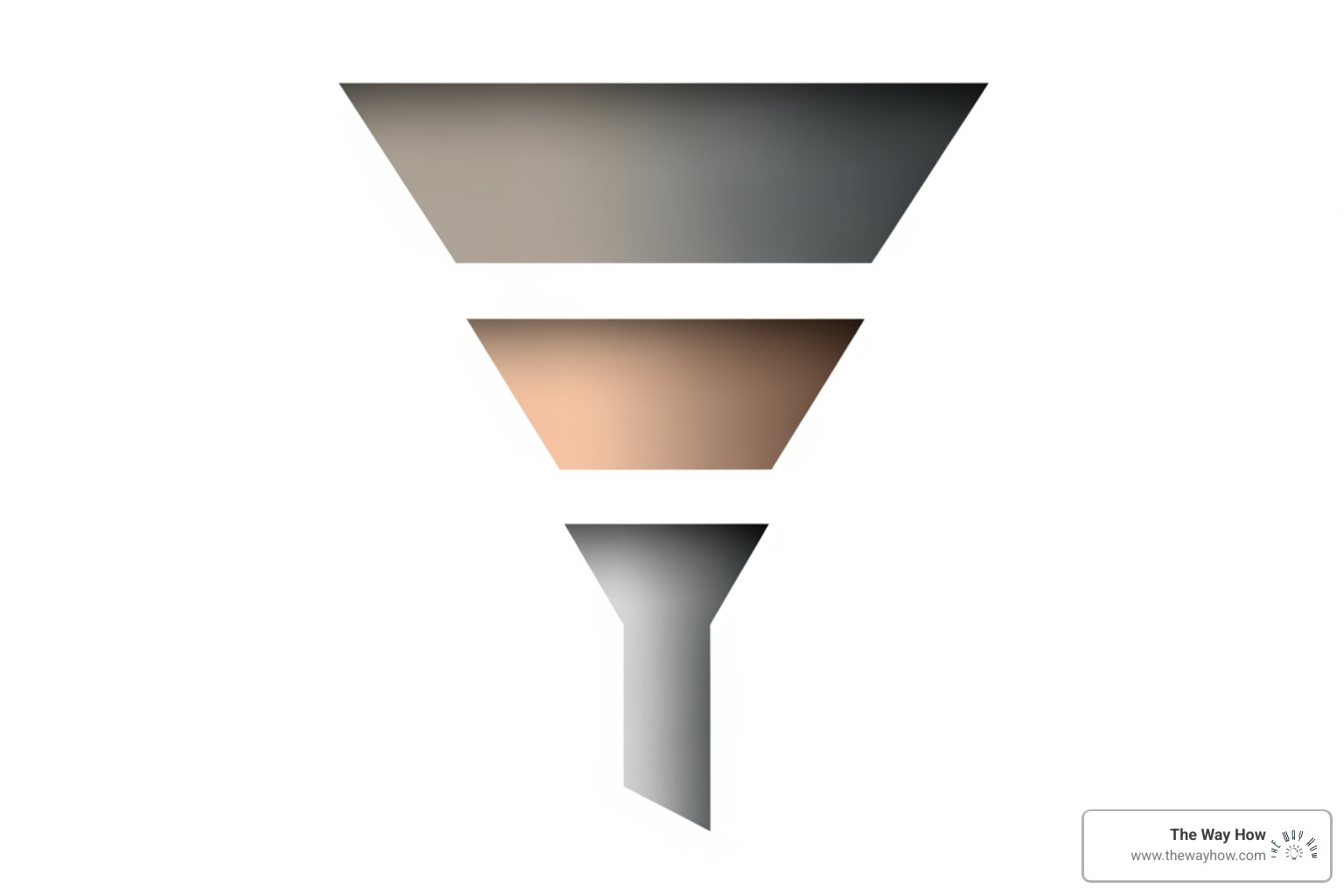
Our analytics are our best friend here. A conversion funnel analysis helps us visualize the main stages of the customer journey and see exactly where large groups of people are dropping off. This methodical approach allows us to make incremental improvements that add up to significant gains over time.
At the Top of Funnel (TOFU), buyers are often just beginning their journey. They might be vaguely aware of a problem or need, but they’re not yet looking for specific solutions.
Psychological State: Curiosity, education, exploration. They’re asking: “Do I have a problem worth solving? What does this problem even look like?”
Metrics to Track:
Content Focus: The goal here is to educate, entertain, and inspire, positioning your brand as a helpful authority.
In the Middle of Funnel (MOFU), prospects have acknowledged their problem and are now actively researching potential solutions. They’re comparing options and trying to understand what’s available.
Psychological State: Evaluation, comparison, deeper learning. They’re asking: “What is the best way to solve my problem? What are the different types of solutions out there?”
Metrics to Track:
Content Focus: Provide in-depth information that helps them understand solutions, differentiate options, and build certainty in your approach.
At the Bottom of Funnel (BOFU), prospects are well-informed and actively considering a purchase. They’ve narrowed down their options and are looking for final validation and justification to make a decision.
Psychological State: Validation, justification, commitment. They’re asking: “Is this the right solution and company for me? Can I trust them? What’s the next step?”
Metrics to Track:
Content Focus: Remove any remaining doubts, provide clear paths to purchase, and reinforce confidence.
Once we’ve diagnosed the leaks, our next step in sales funnel optimization is to strategically build trust and momentum. This is where our psychology-first approach truly shines. We blend behavioral insights with operational execution to reduce friction, create clarity, and ultimately foster genuine relationships.
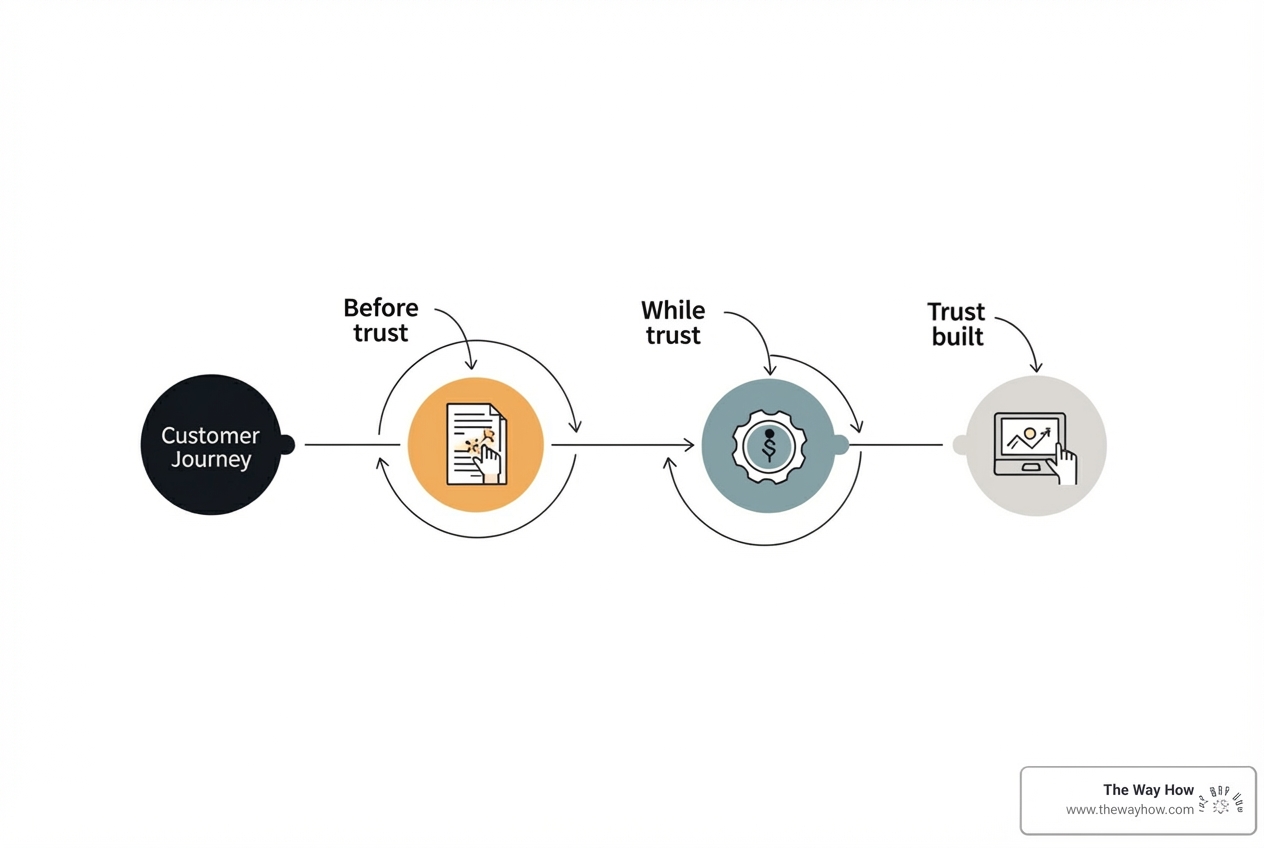
If you approach this process with the intent to build trust and long-lasting relationships with your customers, as opposed to just trying to improve conversions, you’ll ultimately see more success.
Trust is the bedrock of any successful conversion. In an era of skepticism, social proof acts as a powerful antidote to doubt, making buyers feel more certain about their decisions.
Generic messaging in a personalized world is a recipe for disengagement. Buyers expect and respond to experiences custom to their needs, roles, and stages in the journey. More than 75% of buyers report that they’re more likely to purchase from, recommend, and repurchase from a business that offers personalized sales experiences.
Every extra click, confusing form field, or slow loading page introduces friction and erodes buyer certainty. Our goal in sales funnel optimization is to make the path to conversion as effortless as possible.
The modern sales landscape demands more than just reacting to buyer behavior; it requires proactively shaping it. By implementing advanced systems, we can empower buyers to “sell to themselves,” scale empathy, and build continuous improvement loops into our sales funnel optimization efforts.
Today’s decision-makers don’t want to be sold to—they want to feel empowered, in control, and confident in their decision long before they commit. Our systems are designed to deliver that empowerment.
Since about 100% of buyers say they want to use self-service tools during the sales process, your funnel should be rich with resources that allow them to explore, learn, and validate on their own terms.
Even with empowered buyers, consistent, relevant communication is crucial. Automated systems ensure that no lead falls through the cracks and that your team focuses on the most promising prospects.
Behavior-Based Lead Scoring: Assign points to leads based on their actions and attributes. For example, a prospect who visits the pricing page, downloads a case study, and watches a product demo would score higher than one who only read a blog post.
Key behaviors to track for lead scoring:
Automated Email Sequences: Design drip campaigns that deliver personalized content based on lead scores and behaviors. This ensures prospects receive relevant information at the right time, nurturing them towards conversion. while 44% of salespeople may stop after one follow-up, 80% of sales happen after at least five follow-ups. Automation helps bridge this gap.
Retargeting Campaigns: For prospects who show interest but don’t convert, retargeting keeps your brand top-of-mind. Display targeted ads with relevant messages on other platforms, reminding them of your value proposition and guiding them back to your funnel. This is especially effective for re-engaging leads and improving conversions.
CRM Integration: Seamlessly integrate your marketing automation with your CRM. This ensures sales teams have a full view of a prospect’s journey and engagement, allowing for more informed and personalized outreach when the time is right.
Sales funnel optimization is not a set-it-and-forget-it task. It’s an ongoing process of learning, adapting, and refining. Funnels aren’t static; they need continuous testing and iteration to stay effective.
At The Way How, we believe that true sales funnel optimization is about empathy, not just tactics. It’s about deeply understanding the buyer’s psychological journey, anticipating their needs, and systematically removing every point of friction and uncertainty. When you shift from chasing quick fixes to building robust, psychology-first systems, you create a funnel that naturally guides prospects toward conversion, fostering trust and momentum at every step.
Stop getting lost in the weeds of fleeting tactics and start building a demand generation engine rooted in human behavior. Build a revenue engine rooted in human behavior by exploring our services. We help founders and leadership teams remove uncertainty in their sales and marketing systems, delivering strategic clarity, behavioral insights, and predictable revenue.
 Jeremy Wayne Howell : Jul 22, 2026 9:48:31 PM
 Jeremy Wayne Howell : Jul 21, 2026 9:47:10 PM
 Jeremy Wayne Howell : Jul 20, 2026 9:46:47 PM