


Beyond the Spreadsheet: Why Your Growth Engine Needs a Custom Heart
CRM development is the process of designing, building, and deploying a customer relationship management system custom to your specific business workflows, data structures, and strategic objectives. Done well, it closes the certainty gaps that generic tools leave behind. Unlike off-the-shelf platforms, custom CRM development gives you control over features, integrations, and user experience, turning customer data from scattered noise into a strategic asset your team actually trusts.
What the reader is experiencing (and why it feels heavier than it should)
If you are evaluating CRM development, you are rarely starting from a clean slate. You are starting from friction.
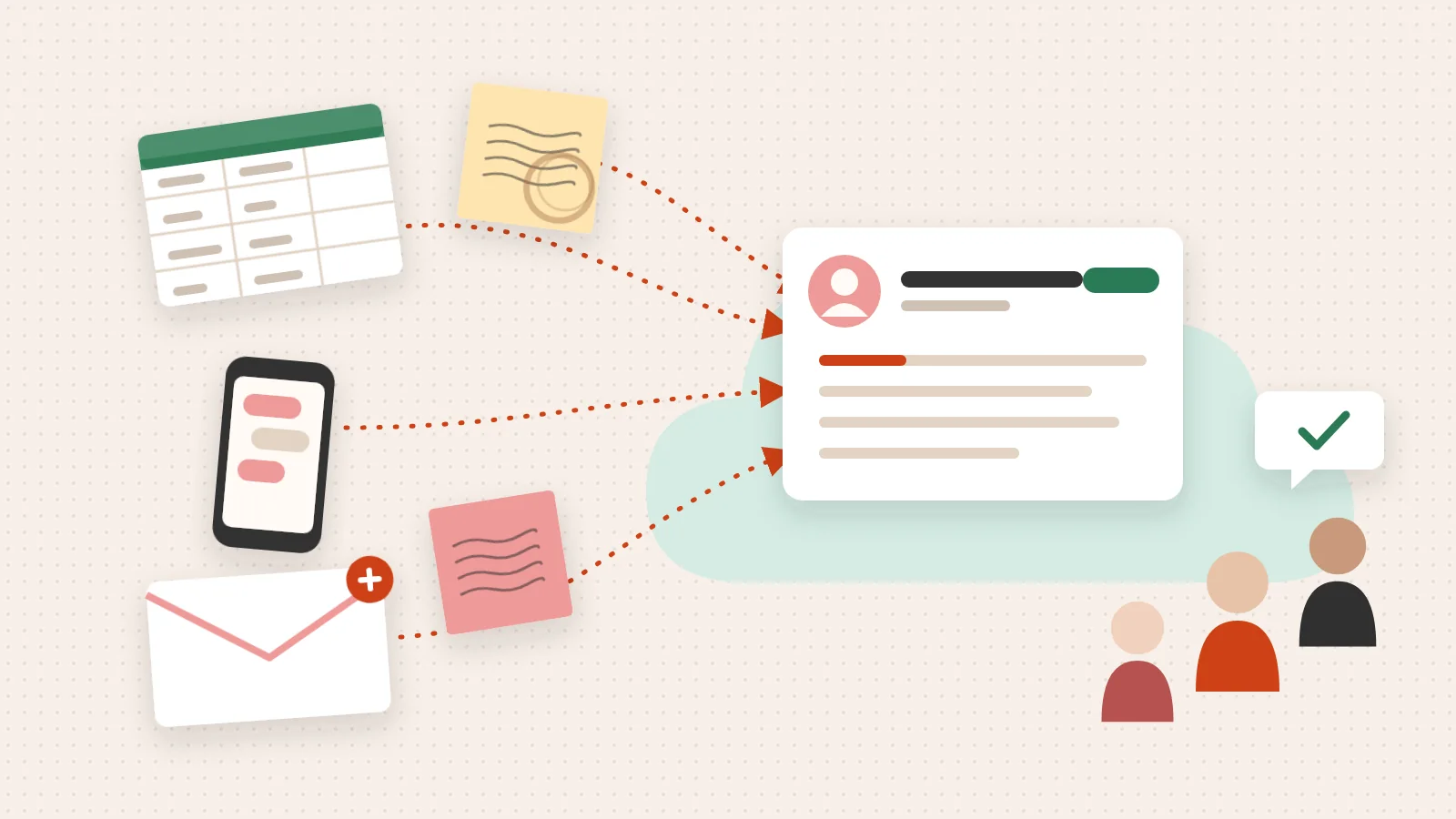
- You feel the drag of context switching: spreadsheets, inboxes, calendars, chat logs, and “just ask Sarah” as a system.
- You suspect growth is being taxed by invisible work: duplicate entry, missing context, unreliable reporting, inconsistent follow-up.
- You are worried a CRM project will become shelfware, because you have seen tools rolled out and quietly ignored.
Cognitively, you are trying to reduce complexity. Emotionally, you are trying to reduce risk. That is the real job of a CRM: not to add features, but to remove uncertainty.
What you think is wrong vs. what is actually wrong
- What you think is wrong: “We need a CRM.”
- What is actually wrong: Your revenue system is running on unreliable memory, inconsistent habits, and disconnected data. The organization is paying an “uncertainty tax” every day.
Most teams do not fail because they lack software. They fail because the system they have does not align with how humans behave under pressure: they avoid extra steps, they work around friction, and they stop trusting tools that do not reflect reality.
Where uncertainty shows up in CRM decisions
- Adoption uncertainty: “Will the team actually use this, or will it become performative data entry?”
- Data uncertainty: “Will we trust pipeline numbers enough to make real decisions?”
- Process uncertainty: “Are we encoding the right workflow, or just digitizing our mess?”
- Integration uncertainty: “Will this connect cleanly to the tools that already run the business?”
- Ownership uncertainty: “Do we control our customer data and reporting logic, or rent it?”
At The Way How, we treat CRM development as a behavior design problem before it becomes a software build. If you automate the wrong thing, you do not get scale. You get faster confusion.
Key aspects of CRM development (without the fantasy version)
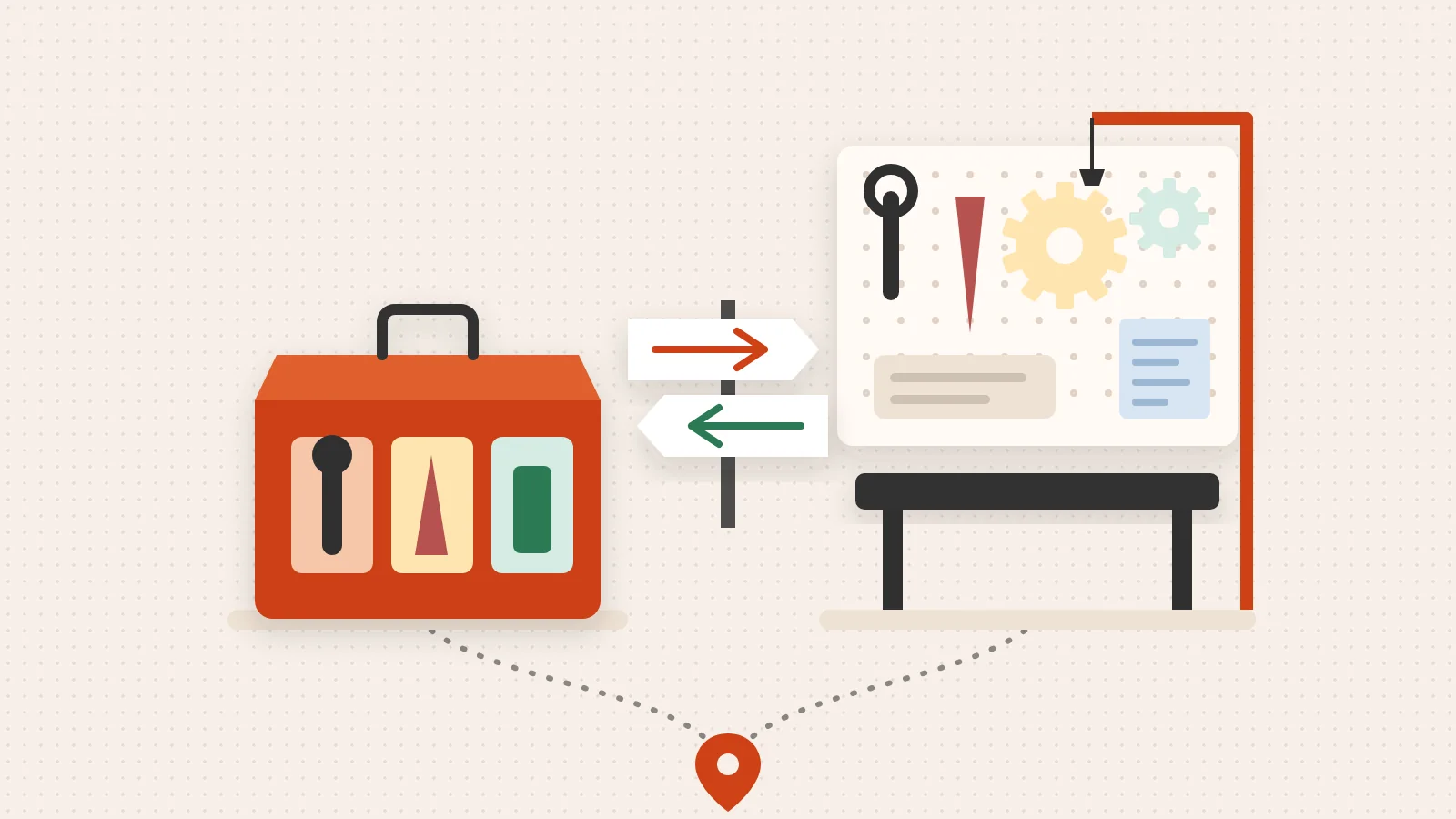
- Custom vs. off-the-shelf: Packaged solutions ship fast and standardize workflows. Custom systems are built around your reality and create a proprietary advantage, but only if your workflows are worth preserving.
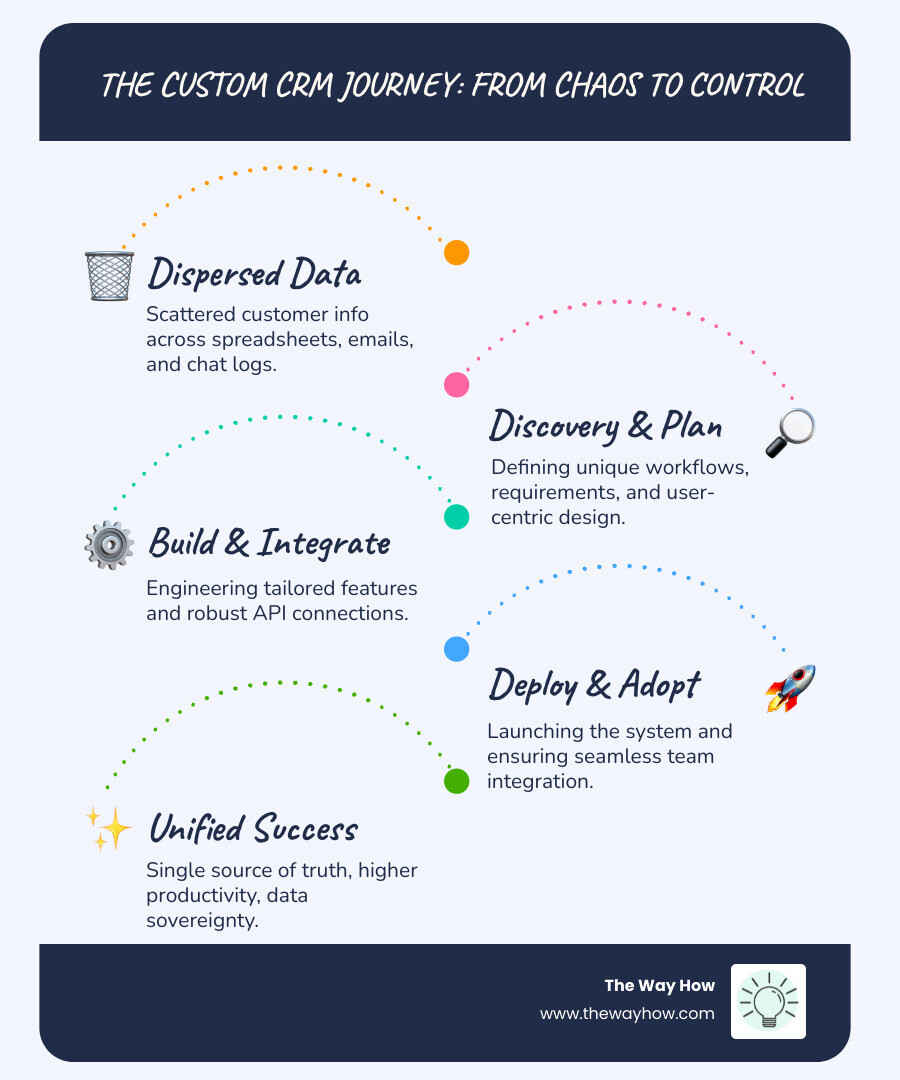
- Development process: High-performing builds typically move from discovery to deployment in distinct phases, often over 4 to 12 months depending on scope and integration needs.
- Cost range: Mid-level systems often land around $50,000 to $150,000; enterprise builds with advanced automation and AI can run $150,000 to $750,000+.
- Core benefits: Fewer workarounds, clearer handoffs, reduced administrative load, and a single source of truth that increases confidence and speed.
- Must-have capabilities: Contact and account management, pipeline and activity workflows, reporting, role-based access, and an API integration layer.
- ROI timeline: Many custom CRMs break even in roughly 2 to 3 years for mid-sized teams when they replace recurring license costs and reduce operational waste.
The uncomfortable truth about “just get a CRM” advice
Your sales team is juggling spreadsheets. Marketing runs separate email lists. Customer service searches chat logs for context. This is not just inefficiency. It is a trust problem: people stop believing the numbers, and then they stop using the system.
Off-the-shelf platforms can be the right choice when your process is common and your needs are simple. But many companies outgrow generic tools in a specific way: the tool forces humans to behave like the software expects, and humans do what humans do. They route around friction.
The CRM market is projected to reach $145.61 billion by 2029, yet adoption remains the number one killer of CRM projects. The reason is rarely “bad training.” It is misaligned psychology: irrelevant fields, cluttered screens, and workflows that punish the user for doing the right thing.
What custom CRM development changes
Custom CRM development flips the dynamic. Instead of forcing behavior to match the tool, you build the tool to support behavior.
- You reduce cognitive load by removing irrelevant steps and screens.
- You automate the repetitive work that creates errors and resentment.
- You create a single source of truth that leadership can use without caveats.
When built correctly, a CRM can boost sales productivity by 34%, increase revenue by 29%, and reduce sales cycle length by up to 15%. Those gains do not come from “having a CRM.” They come from having a system people trust enough to use consistently.
The decision to build custom is not about technology. It is about whether the cost of workarounds, data silos, and missed follow-up is now higher than the cost of clarity.
I am Jeremy Wayne Howell, founder of The Way How. For 20 years, I have helped companies align CRM development with buyer psychology and revenue goals, not feature checklists. The goal of this guide is to help you diagnose what is actually stalling growth and decide, with clear eyes, whether custom development restores momentum.
The Psychology of Connection: Why Custom CRM Development Outperforms Generic Tools
At The Way How, we think about CRM performance in human terms before technical ones. Most CRM initiatives fail or stall not because the software is incapable, but because the system creates friction, ambiguity, or distrust in the moments when people are already cognitively overloaded.
Off-the-shelf CRM systems can be a strong starting point. But they are designed for the lowest common denominator. When your workflows, handoffs, and buyer journey are more specific than the template allows, the tool starts to introduce certainty gaps across the organization: “Where is the truth?” “Who owns the next step?” “Did it happen?”
What leaders want from a CRM (and what teams need)
- Leadership wants: forecast confidence, consistent execution, and insight that reduces guessing.
- Teams need: a system that feels easier than their current workaround, not “more correct.”
This is why user adoption is not a training problem. It is a motivation and ergonomics problem. People adopt tools that lower effort and increase certainty.
The measurable upside is real, but it is not automatic
Industry data shows that CRM systems can boost sales productivity by 34% and increase sales revenue by 29%. Those outcomes are amplified when the system is custom-built to mirror how your team actually sells and supports, and how your buyers actually decide.
A generic CRM can store your pipeline. A well-designed CRM can shape behavior: it can make the right next step obvious and the wrong next step inconvenient.
How custom and off-the-shelf CRMs compare
| Feature/Metric | Off-the-Shelf CRM | Custom CRM Development |
|---|---|---|
| Initial Cost | Lower upfront ($25-$150/user/month) | Higher upfront ($50,000-$750,000+) |
| Total Cost of Ownership (5 years) | Often higher due to licensing, add-ons, and per-seat fees | Lower long-term with no recurring license costs |
| Customization | Limited to platform constraints and available plugins | Unlimited, built to your exact specifications |
| User Adoption | Often low due to irrelevant features and cognitive overload | Higher because the interface mirrors actual workflows |
| Time to Deploy | Weeks to a few months | 4-12 months depending on complexity |
| Data Sovereignty | Vendor-controlled, often stored on third-party servers | Full ownership and control of all customer data |
| Integration Flexibility | Dependent on available connectors and marketplace apps | Purpose-built API layer connects to any system |
| Scalability | Constrained by vendor roadmap and pricing tiers | Scales with your business without artificial limits |
| Competitive Advantage | Same tool your competitors use | Proprietary system that captures what makes you unique |
Engineering trust through CRM development
A well-built CRM does more than store contacts. It engineers trust at every stage of the buyer journey.
- When sales has immediate access to a complete interaction history, they stop guessing and start responding with relevance.
- When pipeline data is accurate, leadership stops negotiating with the forecast and starts running the business.
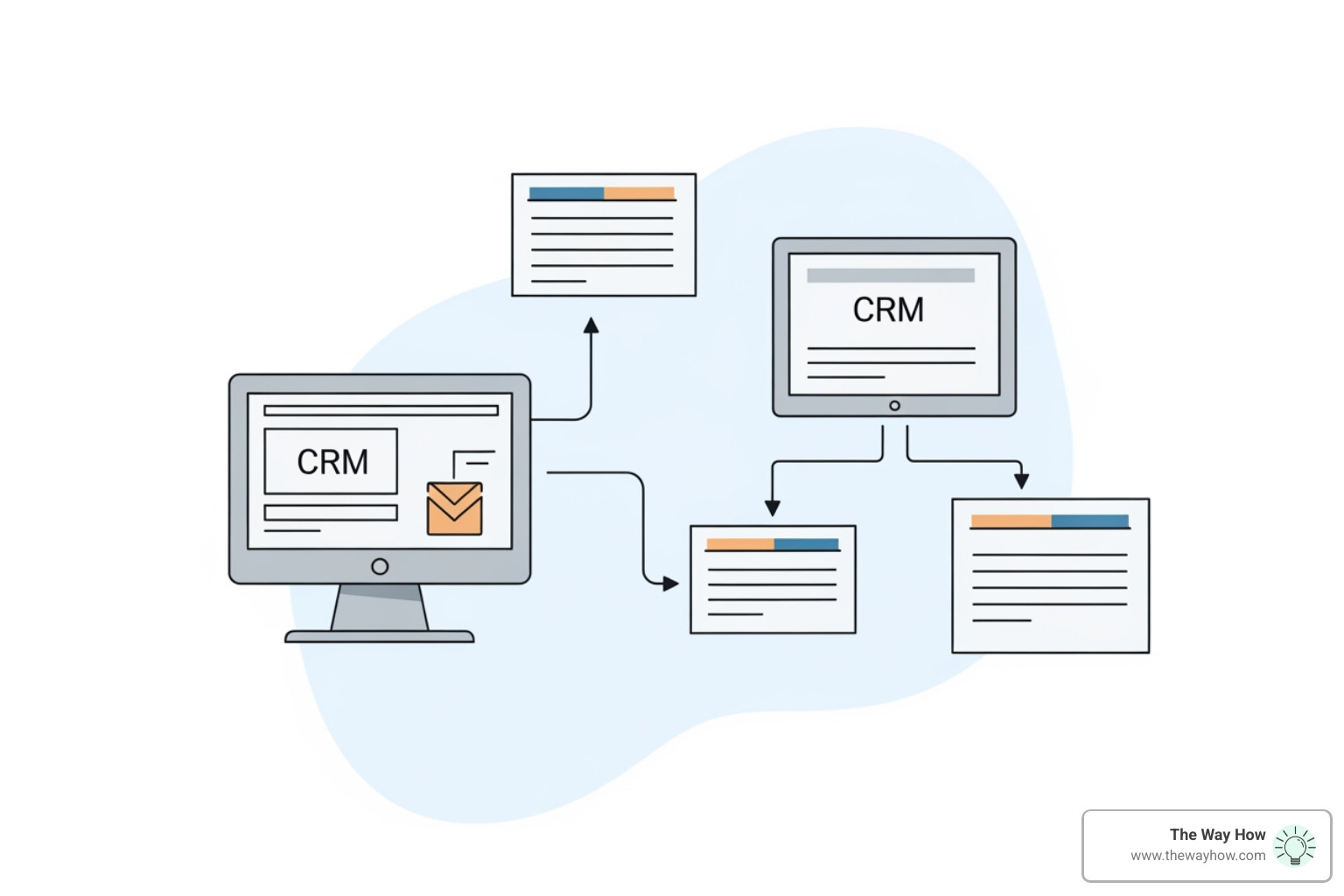
Open-source CRM frameworks show how flexible foundations can support custom lead management and pipeline tracking, but the principle is the same regardless of platform: when administrative tasks are automated and data flows into a single source of truth, your team regains time and focus.
Sales professionals who trust their tools sell with more confidence. Confidence changes follow-up behavior, personalization quality, and speed of execution.
The result is often a reduction in sales cycle length by 10-15% and a compounding improvement in pipeline velocity over time. Not because the CRM is “powerful,” but because the system reduces hesitation and makes action easier.
Scaling human relationships with CRM development
Every business reaches a point where the volume of customer interactions exceeds what any individual can manage from memory. CRM development becomes essential at that moment, not as a software upgrade, but as a strategy for protecting relationship quality at scale.
The foundation of any scalable CRM is its data model. A strong data model captures not just contact and transaction history, but the signals that explain behavior: preferences, constraints, decision patterns, and the moments where deals tend to stall.
When you build a custom CRM, the data model itself becomes an asset. It encodes what you have learned about how your customers buy and how your team wins. Over time, that understanding compounds because you are no longer guessing. You are measuring.
Customer-centric workflows built on this foundation eliminate handoff gaps and information silos that erode trust and create disjointed experiences that drive churn.
The Psychology of Connection: Why Custom CRM Development Outperforms Generic Tools
At The Way How, we think about CRM performance in human terms before technical ones. Off-the-shelf CRM systems can be a strong starting point, but they are built for the lowest common denominator. When your workflows and buyer journey are more specific than the template allows, the tool introduces certainty gaps: “Where is the truth?” “Who owns the next step?” “Did it happen?”
Industry data shows that CRM systems can boost sales productivity by 34% and increase sales revenue by 29%. Those outcomes are amplified when the system is custom-built to mirror how your team actually sells and supports, and how your buyers actually decide.
One of the key advantages of custom CRM development compared to off-the-shelf solutions is its ability to reduce cognitive load and improve user adoption. Generic CRMs often present cluttered interfaces and features that are irrelevant to a specific user’s daily tasks. This creates friction, slows down workflows, and ultimately leads to low user adoption, which remains the number one killer of CRM projects.
Beyond initial adoption, a custom CRM can significantly increase customer lifetime value (CLV) and reduce churn by closing the certainty gaps in the post-purchase experience. This is not just about data. It is about understanding the human behind the transaction and tailoring every interaction to their needs and preferences.
| Feature/Metric | Off-the-Shelf CRM | Custom CRM Development |
|---|---|---|
| Initial Cost | Lower upfront ($25-$150/user/month) | Higher upfront ($50,000-$750,000+) |
| Total Cost of Ownership (5 years) | Often higher due to licensing, add-ons, and per-seat fees | Lower long-term with no recurring license costs |
| Customization | Limited to platform constraints and available plugins | Unlimited, built to your exact specifications |
| User Adoption | Often low due to irrelevant features and cognitive overload | Higher because the interface mirrors actual workflows |
| Time to Deploy | Weeks to a few months | 4-12 months depending on complexity |
| Data Sovereignty | Vendor-controlled, often stored on third-party servers | Full ownership and control of all customer data |
| Integration Flexibility | Dependent on available connectors and marketplace apps | Purpose-built API layer connects to any system |
| Scalability | Constrained by vendor roadmap and pricing tiers | Scales with your business without artificial limits |
| Competitive Advantage | Same tool your competitors use | Proprietary system that captures what makes you unique |