
Beyond the Spreadsheet Chaos

Developing a CRM is one of the most consequential technical and strategic decisions a growing business can make — and most companies get it wrong before they write a single line of code.
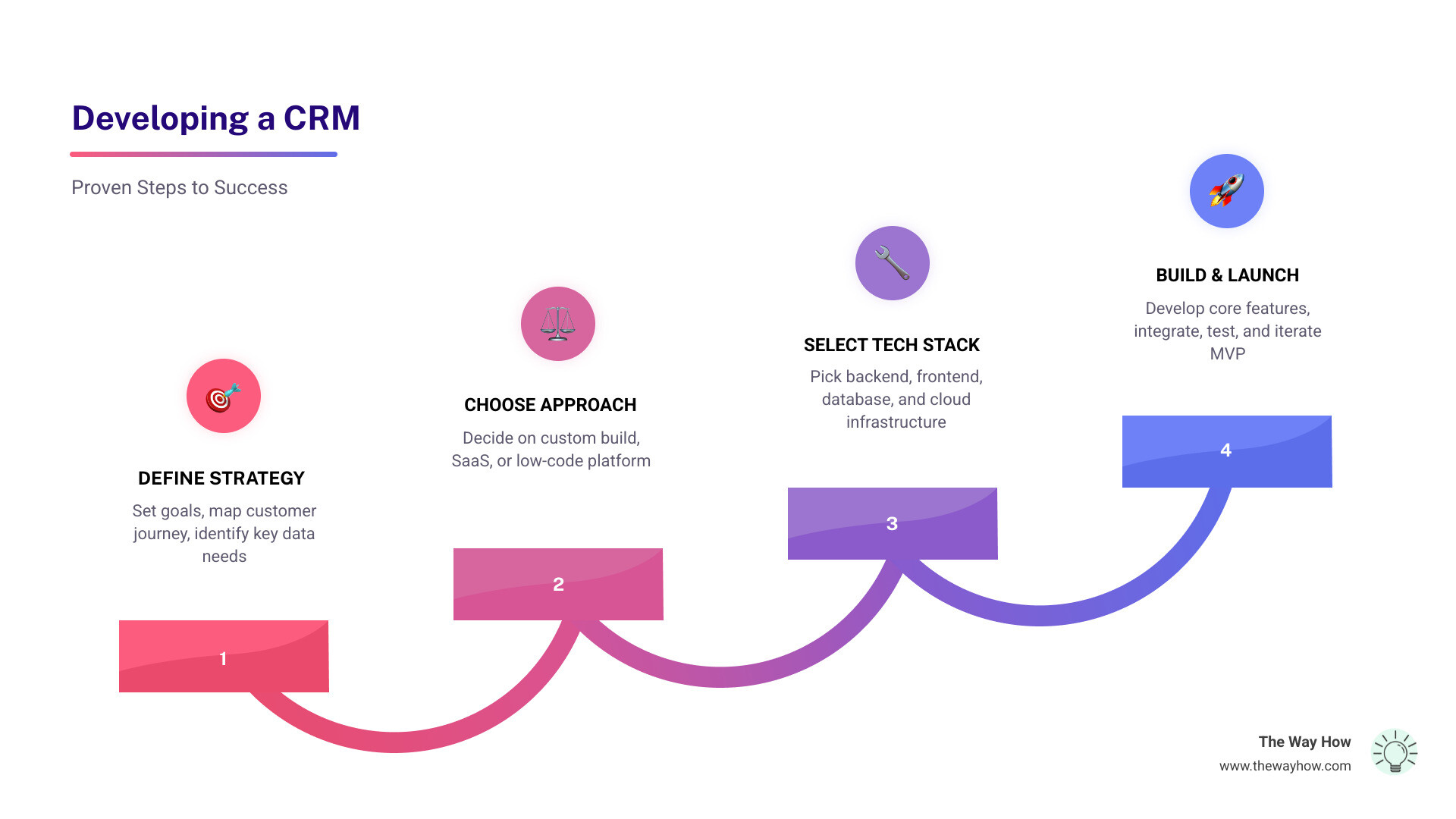
Here is a quick answer to what developing a CRM actually involves:
Most teams start at step two or three. That is exactly where the trouble begins.
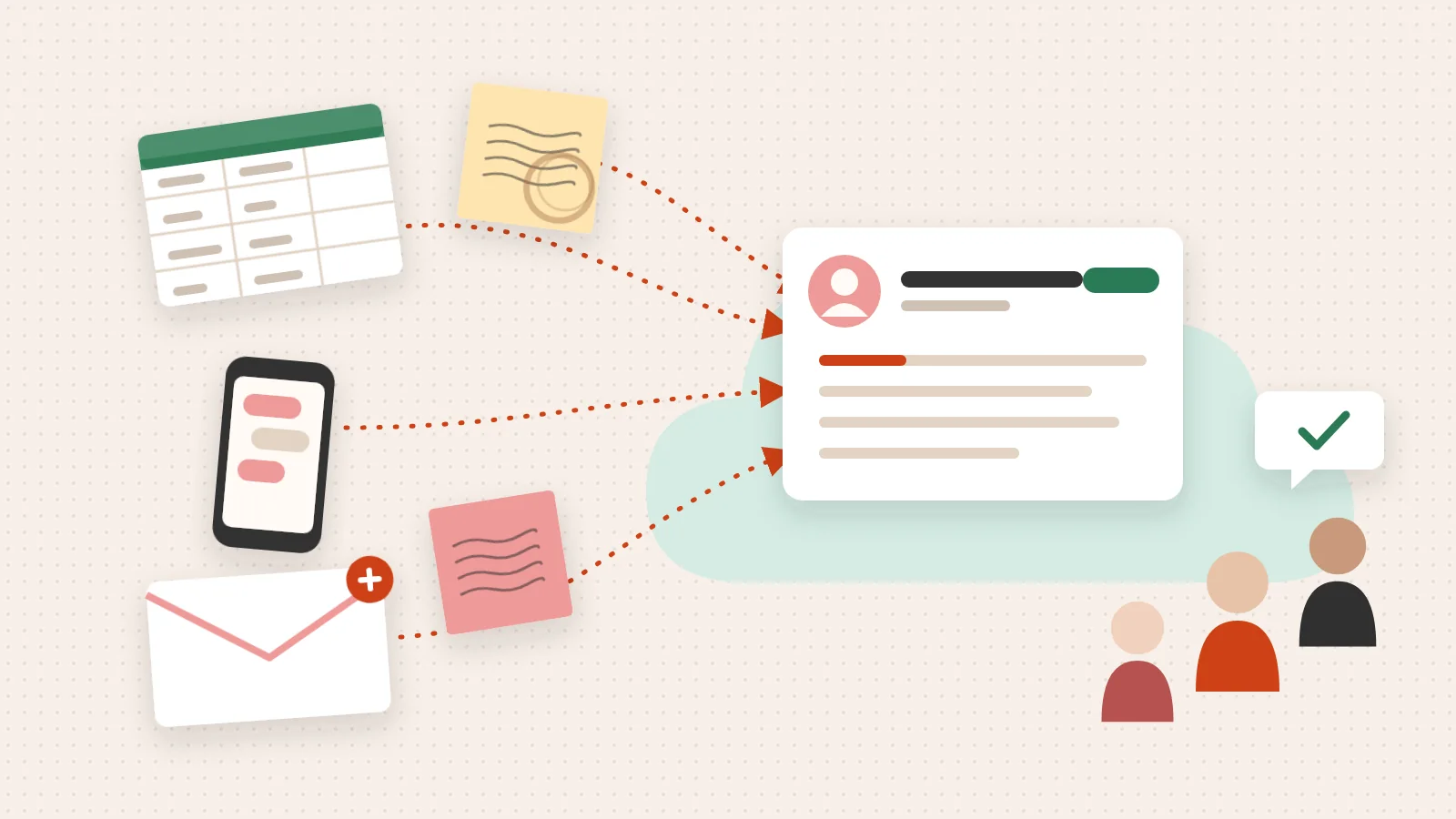
The reality is that your CRM is not a software problem. It is a clarity problem. Sales teams juggling spreadsheets, marketing running disconnected email lists, customer service searching through chat logs for context — this is not a tech failure. It is a systems failure rooted in not understanding what the CRM needs to do before deciding how to build it.
According to McKinsey, 71% of customers expect personalized interactions — and 76% are frustrated when they do not get them. Yet most CRM projects stall not because of bad technology, but because the strategy was never defined before the software was chosen.
I’m Jeremy Wayne Howell, founder of The Way How, a psychology-first revenue strategy firm — and I’ve spent over 20 years helping founders and revenue teams implement CRM systems, including HubSpot architecture and lifecycle strategies, that reflect how buyers actually think rather than how org charts are drawn. Developing a CRM the right way is something I’ve done repeatedly, and in this guide I’ll show you how to avoid the mistakes that quietly kill these projects.
Basic developing a crm terms:
The Psychology of Developing a CRM: Strategy Before Software
When we talk about developing a crm, we must distinguish between the CRM system and the CRM strategy. The system is the software — the database where you store names and numbers. The strategy is your company’s blueprint for how you acquire, nurture, and retain customers.
A system without a strategy is just an expensive digital filing cabinet. We see founders rush into development because they feel the friction of disorganized data. They believe a new tool will fix the chaos. But if your internal processes are broken, a custom CRM will only help you execute those broken processes faster.
A well-defined strategy is the foundation of customer satisfaction. It ensures that every interaction feels like a continuation of a single conversation, rather than a series of disjointed interruptions. This is where Behavioral Science for CRM comes into play. By understanding the psychological triggers that move a prospect from curiosity to commitment, we can build a system that supports human behavior instead of fighting it.
As outlined in How to Create a CRM Software: The Definitive 2025 Blueprint, the first step isn’t coding; it’s determining your financial, growth, and employee development goals.
Identifying Certainty Gaps in Your Customer Journey
The “certainty gap” is the space between what a customer knows and what they need to feel safe making a purchase. When we map a customer journey, we aren’t just looking at touchpoints like “clicked email” or “booked demo.” We are looking for where the prospect feels stuck or confused.
In 2026, the bar for personalization has moved. Research shows that 73% of customers say companies treat them like an individual rather than a number — a massive leap from just 39% in 2023. This means your CRM must do more than just “insert first name” into an email. It needs to track psychographic data: What are their specific pains? What do they prioritize in a solution? What problems are they solving today?
By building comprehensive buyer personas and mapping their goals at every stage, we design a system that bridges these certainty gaps. We move from chasing leads to creating trust.
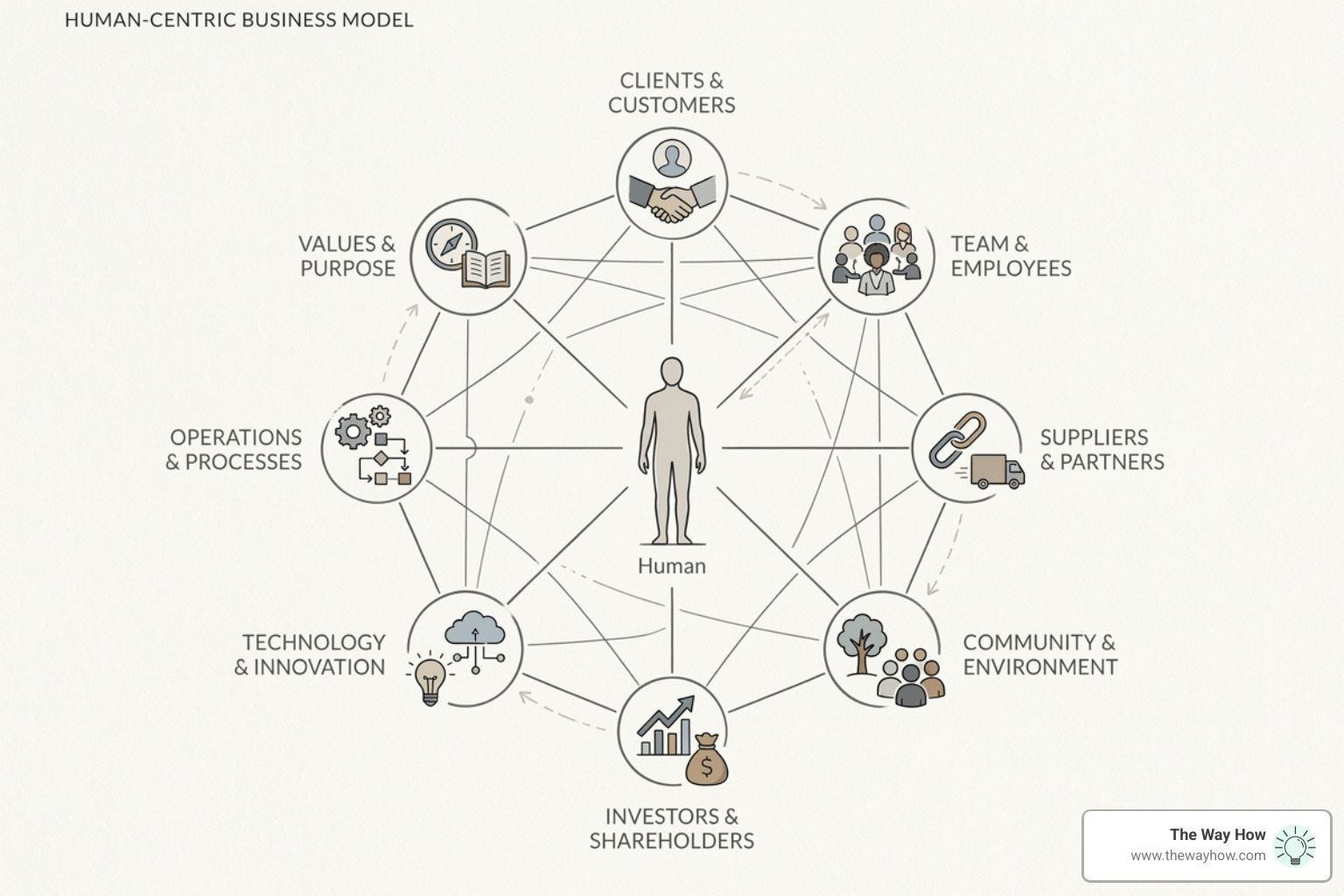
Why Developing a CRM Requires a Human-Centric Blueprint
Most CRMs are built for the manager who wants a report, not the salesperson who needs to close a deal or the customer who wants a solution. A human-centric blueprint prioritizes empathy.
When we integrate Human-Centered CRM Empathy Features, we focus on the 360-degree view. This isn’t just a buzzword; it’s the ability to see the full context of a human relationship. If a customer has an open support ticket about a bug, your sales team shouldn’t be calling them to pitch an upsell. That lack of context destroys trust.
A human-centric CRM uses data to deliver the 71% interaction expectation that modern buyers demand. It allows your team to show up as helpful experts rather than persistent hunters.
Building vs. Buying: Navigating the Decision-Making Maze
One of the most frequent questions we hear is: “Should we build our own or just use HubSpot?” There is no universal answer, only the right answer for your specific business logic.
| Feature | Custom CRM | Off-the-Shelf (SaaS) | Low-Code Platform |
|---|---|---|---|
| Flexibility | Unlimited; built to your exact workflows | High, but limited by platform architecture | Moderate; faster to adapt than custom |
| Upfront Cost | High ($50k - $500k+) | Low (Monthly subscription) | Moderate |
| Time to Value | 6 - 15 months | Days to weeks | 2 - 4 months |
| Ownership | Full data and IP ownership | Vendor-owned infrastructure | Shared / Vendor-hosted |
| Maintenance | Your responsibility (10-20% of dev cost annually) | Handled by vendor | Minimal, but requires internal oversight |
For many, Hubspot Crm Architecture provides the perfect middle ground. It offers deep customization while handling the “boring” parts of software like security patches and server uptime. However, if your business has highly proprietary workflows that a standard platform can’t handle without “breaking” the software’s logic, a custom build might be your competitive weapon.
According to How to Build a CRM System from Scratch in 2026 [Full Guide], companies with mature data practices can cut data breach costs by over 50%. Ownership of your data architecture is a significant security and ROI consideration.
The Technical Reality of Developing a CRM with a Small Team
Is a team of three enough? Technically, yes — if they are the right three. You typically need a backend developer to handle the logic and database, a frontend developer for the interface, and a product owner (often the founder or a Fractional CMO) to ensure the system actually solves the business problem.
However, developing a crm from scratch is a massive undertaking. It is not a “set it and forget it” project. It is a living piece of infrastructure.

The Essential Steps in Developing a CRM System
If you choose the custom path, you aren’t just writing code; you are managing a lifecycle.
- Discovery Phase (2-4 weeks): Interviewing stakeholders and mapping workflows.
- MVP Modules (8-16 weeks): Building the core functionality first — contact management and basic pipelines.
- Tech Stack Selection: Choosing between Python/Django, Node.js, or Java for the backend, and React or Angular for the frontend.
The research suggests that building a custom solution from scratch can take over 2,000 work hours and a minimum of six months. For a small team, this means total focus. If those three people are also trying to run your current marketing campaigns and manage your servers, the project will likely fail under the weight of “scope creep.”
Core Features for a Modern CRM Strategy
A modern CRM is no longer just a database; it is an intelligence engine. To support a 2026 strategy, your system needs:
- Predictive Lead Scoring: Custom projects using AI-driven scoring see a 20% average increase in sales pipeline velocity.
- Agentic AI: Unlike simple chatbots, agentic AI can understand context and autonomously handle Tier 1 queries. Generative AI-powered bots now resolve 40%+ of basic queries.
- Workflow Automation: Reducing the “administrative tax” on your sales team. A Salesforce implementation for a real estate firm shortened their sales cycle by 10% simply by automating follow-ups.
Mitigating Risks: From Scope Creep to User Adoption
The #1 killer of custom software is not bugs; it is low user adoption. If your team finds the system harder to use than their old spreadsheets, they will revert to the spreadsheets.
The average company now uses over 900 apps. Your CRM needs to be the “single source of truth,” not just the 901st app. This requires careful CRM consulting services to ensure the UX is intuitive. We often recommend an “ADHD-friendly” interface — one that reduces cognitive load and allows a sales rep to access any record in two clicks or less.
Data migration is another silent risk. You must clean, standardize, and map your legacy data before moving it. Dirty data in a new system just leads to a faster version of the same old confusion.
Frequently Asked Questions about CRM Development
What is the typical cost and timeline for developing a custom CRM?
A Minimum Viable Product (MVP) typically costs between $150,000 and $300,000 and takes 4 to 6 months. A full-featured enterprise-grade system can range from $350,000 to over $750,000, with a timeline of 9 to 15 months. Ongoing maintenance usually costs 10-20% of the initial development price annually.
How do AI and automation enhance personalization within a CRM?
AI moves beyond “if/then” logic. It can analyze sentiment in emails to flag at-risk accounts, predict which leads are most likely to convert (reducing time-to-conversion by 20%), and suggest the “next best action” for a sales rep based on historical success patterns.
How should a business measure the success and ROI of their CRM strategy?
Success should be measured through specific KPIs:
- Pipeline Velocity: How much faster are deals moving?
- Customer Retention: Has the churn rate decreased?
- User Adoption: Are your employees actually using the system daily?
- Lead Conversion Rate: Is the quality of interactions leading to more wins?
Restoring Momentum to Your Growth Engine
At The Way How, we don’t just build systems; we remove the uncertainty that keeps you from growing. Whether you are looking for Fractional CMO leadership to guide your strategy or need a technical partner to refine your HubSpot architecture, our focus is always on the human being at the other end of the data point.
We help you diagnose why growth is stalled and design systems that create trust and momentum. If you are ready to stop chasing tactics and start building a predictable revenue engine, we should talk.