
The High Cost of Silent Funnels

B2B marketing automation examples are some of the most searched topics in modern revenue strategy — and for good reason.
Here’s a quick overview of the most effective ones, by lifecycle stage:
| Lifecycle Stage | Automation Example | Primary Benefit |
|---|---|---|
| Lead Capture | Welcome email sequences | 320% more revenue per email |
| Lead Nurturing | Multi-touch drip campaigns | 20% more sales opportunities |
| Pipeline | Lead scoring + routing | Faster sales handoff |
| Conversion | Meeting reminders | 30-40% fewer no-shows |
| Retention | NPS-triggered workflows | Reduce churn proactively |
| Expansion | Upsell / cross-sell flows | 20% sales lift, 30% profit lift |
| Re-engagement | Win-back campaigns | Recover dormant pipeline |
But here’s what most articles won’t tell you: the automation isn’t the hard part.
The hard part is knowing why your funnel is silent in the first place.
Most B2B revenue teams are running tools without running a strategy. They’ve got workflows firing, emails sending, and leads scoring — but nothing is actually converting. The system is active. The pipeline isn’t.
That gap isn’t a technology problem. It’s a behavioral one.
Buyers don’t stall because your email sequence is missing a step. They stall because something in the experience created uncertainty — about fit, about risk, about whether your team actually understands their problem. No automation fixes that unless it’s built around how buyers actually think and decide.
This article walks through 12 proven B2B marketing automation examples, organized by complexity and lifecycle stage. More importantly, it explains why each one works — and where most implementations quietly break down.
I’m Jeremy Wayne Howell, founder of The Way How and a revenue growth strategist with over 20 years of experience in marketing, sales, and go-to-market systems — including hands-on implementation of B2B marketing automation examples across HubSpot, Salesforce, and custom lifecycle architectures. If you’ve ever felt like your automation is running but your revenue isn’t moving, you’re in the right place.
Similar topics to b2b marketing automation examples:
Why B2B Marketing Automation Examples Fail Without a Behavioral Foundation
At its core, B2B marketing automation is the use of software to streamline and scale repetitive marketing tasks. However, the B2B world is fundamentally different from the B2C world. While B2C often relies on impulse, high-volume transactions, and emotional triggers for immediate purchase, B2B is a game of endurance.
In B2B, you aren’t just selling a product; you are asking a committee of humans to trust you with their professional reputation. This is why generic “hacks” fail. To succeed, automation must be an empathy-led system. We must move beyond thinking of leads as rows in a database and start seeing them as individuals navigating a high-stakes decision-making process.
Research shows that nurtured leads produce a 20% increase in sales opportunities compared to those that are ignored. But that increase only happens if the nurturing solves for uncertainty. Using a Marketing Automation HubSpot Guide can help you build the technical pipes, but the “water” flowing through those pipes—your content and strategy—must be grounded in buyer psychology.
The Psychology of the Long Sales Cycle
B2B buyers face immense cognitive load. They are often sifting through complex technical specifications, pricing models, and internal stakeholder opinions. This leads to risk aversion. The primary goal of your automation shouldn’t just be “reminding” them you exist; it should be reducing the perceived risk of doing business with you.
We use automation to deliver social proof, case studies, and educational content at precisely the moment the buyer is ready to consume it. This reduces the friction in their B2B Sales Strategy and builds a bridge of certainty from the first touch to the final signature.
Moving From Tactics to Systems
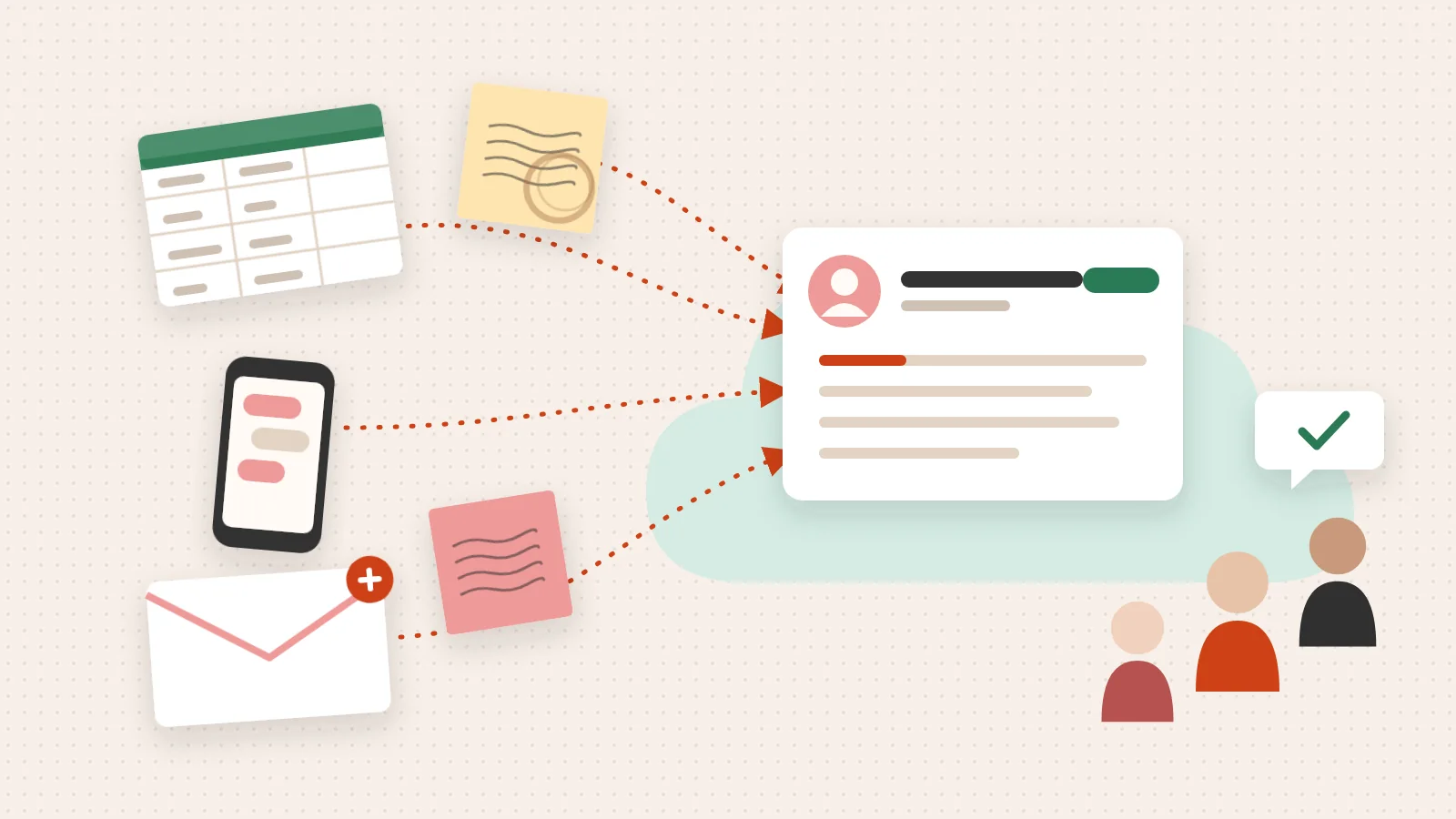
Many teams treat automation as a series of disconnected tactics: an email here, a LinkedIn ad there. True revenue engines are built on strategic clarity and operational execution. When you integrate HubSpot Marketing correctly, you aren’t just sending emails; you are creating a unified system that tracks every interaction, scores intent, and alerts sales when a buyer is showing signs of readiness.
12 Proven B2B Marketing Automation Examples for Every Lifecycle Stage
To build a dependable growth engine, your b2b marketing automation examples should cover the entire customer journey. We categorize these into three levels: Foundational (quick wins), Advanced (revenue accelerators), and Retention (expansion).

Foundational B2B Marketing Automation Examples for Lead Capture
These are the “table stakes” of automation. If you don’t have these in place, you are likely losing revenue every single day.
- The High-Value Welcome Sequence: When someone signs up for your newsletter or downloads a resource, their interest is at its peak. Welcome emails generate 320% more revenue per email than other promotional sends. We suggest a 3-email series: the “delivery” email, the “who we are/value” email, and the “best of our content” email.
- Lead Scoring Basics: Not all leads are created equal. By assigning points to specific actions—like visiting a pricing page (+15) or clicking an email (+5)—you help your sales team focus on the right people. This is a core component of HubSpot B2B Marketing Strategies.
- Automated Meeting Reminders: No-shows are revenue killers. A simple sequence (24 hours, 1 hour, and 5 minutes before the call) can reduce no-show rates by 30-40%.
- Behavioral Triggers for Gated Content: If a prospect downloads a technical whitepaper, they shouldn’t get a generic “salesy” follow-up. They should get a sequence that dives deeper into that specific technical topic, positioning you as a thought leader.
Advanced B2B Marketing Automation Examples for Revenue Acceleration
Once the foundation is set, we use more sophisticated data to drive momentum.
- Lead Enrichment & AI Decision Making: Using tools like Gumloop or ZoomInfo, we can automatically enrich a lead’s profile with their job title, company size, and industry. An LLM can then “score” the lead’s fit based on your Ideal Customer Profile (ICP) before a human ever looks at it.
- Website Visitor Identification: Tools can identify anonymous companies visiting your site. If three people from the same target account visit your pricing page, your automation can trigger a Slack alert for the assigned Account Executive.
- Progressive Profiling & Dynamic Content: Instead of asking for 10 fields on a form, ask for three. The next time they visit, your HubSpot Marketing Workflows Complete Guide knows who they are and asks for the next three. This keeps conversion rates high while building a rich data profile.
- Multi-Touch Nurturing Campaigns: These campaigns use multiple channels—email, LinkedIn ads, and even direct mail—to stay top-of-mind. If they click an email but don’t book a demo, they might see a targeted ad featuring a case study from their specific industry.
Retention and Expansion Workflows
The most profitable revenue comes from the customers you already have.
- NPS-Triggered Flows: Automatically send a Net Promoter Score survey after onboarding. If someone is a “Promoter,” trigger an email asking for a review or a referral. If they are a “Detractor,” immediately create a high-priority task for their Account Manager.
- Upsell / Cross-Sell Accelerators: Cross-selling can boost sales by 20% and profits by 30%. If a customer uses Feature A but hasn’t touched Feature B, trigger an educational sequence showing the value of the integration.
- Renewal Reminder Cadence: For SaaS companies, the renewal starts 90 days before the contract ends. Automated reminders ensure the customer has time to review their usage and that the sales team isn’t scrambling at the last minute.
- Customer Health Pulse: Track product usage data. If a customer hasn’t logged in for 14 days, trigger a “How can we help?” email or alert the Customer Success team to a potential churn risk.
Architecting Your Stack: Tools and CRM Integration
Choosing the right tools is critical, but the choice often depends on your company size and technical resources. For most B2B teams, HubSpot is the gold standard because of its all-in-one nature, but enterprise teams often lean toward Salesforce and Marketo for deeper customization.
| Feature | SMB (Small/Mid-Market) | Enterprise |
|---|---|---|
| Primary CRM | HubSpot / Pipedrive | Salesforce |
| Automation Platform | HubSpot Pro / ActiveCampaign | Marketo / Pardot / HubSpot Enterprise |
| Data Enrichment | Clearbit / Apollo | ZoomInfo / 6sense |
| AI Workflows | Gumloop / Zapier | Custom AI Agents / Data Warehouse |
| Complexity | Low to Medium | High (Requires Marketing Ops) |
| Implementation | 2-4 Weeks | 3-6 Months |
Implementing these systems requires a clear understanding of HubSpot Marketing Hub Pricing and a dedicated plan for HubSpot Marketing Hub Implementation. Without a proper architecture, you end up with “Franken-stack” where data is siloed and automations conflict with one another.
Frequently Asked Questions About B2B Automation
How do I measure the ROI of these automations?
We look at three primary buckets: efficiency, engagement, and revenue.
- Efficiency: How many manual hours did we save?
- Engagement: Are we seeing higher open rates (triggered emails are 59% more likely to be opened) and lower bounce rates?
- Revenue: This is the most important. We track “Marketing Influenced Revenue” and “Time-to-SQL.” Experience-led growth strategies deliver measurable impact, often shortening sales cycles by 20-30%.
What are the most common pitfalls in implementation?
The biggest mistake is automating a broken process. If your sales handoff is messy, automation will just make it messily fast. Another pitfall is “set it and forget it.” Automations require quarterly audits to ensure links aren’t broken and content is still relevant. Finally, a lack of sales alignment—where marketing sends leads that sales doesn’t value—will tank your ROI faster than anything else.
How does AI change the automation landscape in 2025?
AI is moving us from “if-then” logic to “agentic” workflows. Instead of just sending an email when a form is filled, AI can research the person’s LinkedIn profile, summarize their recent company news, and draft a hyper-personalized intro for the sales rep. We are seeing HubSpot Marketing Automation evolve to include predictive lead scoring, where machine learning identifies which prospects are most likely to close based on thousands of historical data points.
Restoring Momentum Through Strategic Clarity
If your marketing feels like a series of random acts of content, it’s time to step back. At The Way How, we don’t believe in chasing the latest AI trend just because it’s shiny. We believe in diagnosing the certainty gaps in your customer journey and building the systems to close them.
Whether you need Fractional CMO leadership to set the vision or a deep HubSpot architecture audit to fix your data, we help you turn marketing into a dependable growth engine. The goal isn’t just to have b2b marketing automation examples running in the background; it’s to create a system that reflects the empathy and expertise your brand stands for.
Stop chasing tactics and start building systems that create predictable revenue. Your sanity—and your pipeline—will thank you.