
Beyond the Dashboard: Finding Certainty in the Noise

What is B2B marketing analytics is one of the most searched questions by revenue leaders who sense their data isn’t actually helping them make better decisions — and they’re right to ask it.
B2B marketing analytics is the practice of collecting, measuring, and interpreting data from your marketing activities to understand what’s driving revenue in a business-to-business context. It connects marketing behavior to business outcomes — not just clicks and impressions, but pipeline, close rates, and customer value.
Here’s the short version:
| Element | What It Means |
|---|---|
| What it tracks | Leads, pipeline, attribution, customer behavior, campaign performance |
| Why it matters | Helps you know what’s working, what’s wasted, and where to invest next |
| Who uses it | Marketing teams, sales leaders, founders, and revenue-focused executives |
| What it produces | Clearer decisions, more predictable revenue, less guesswork |
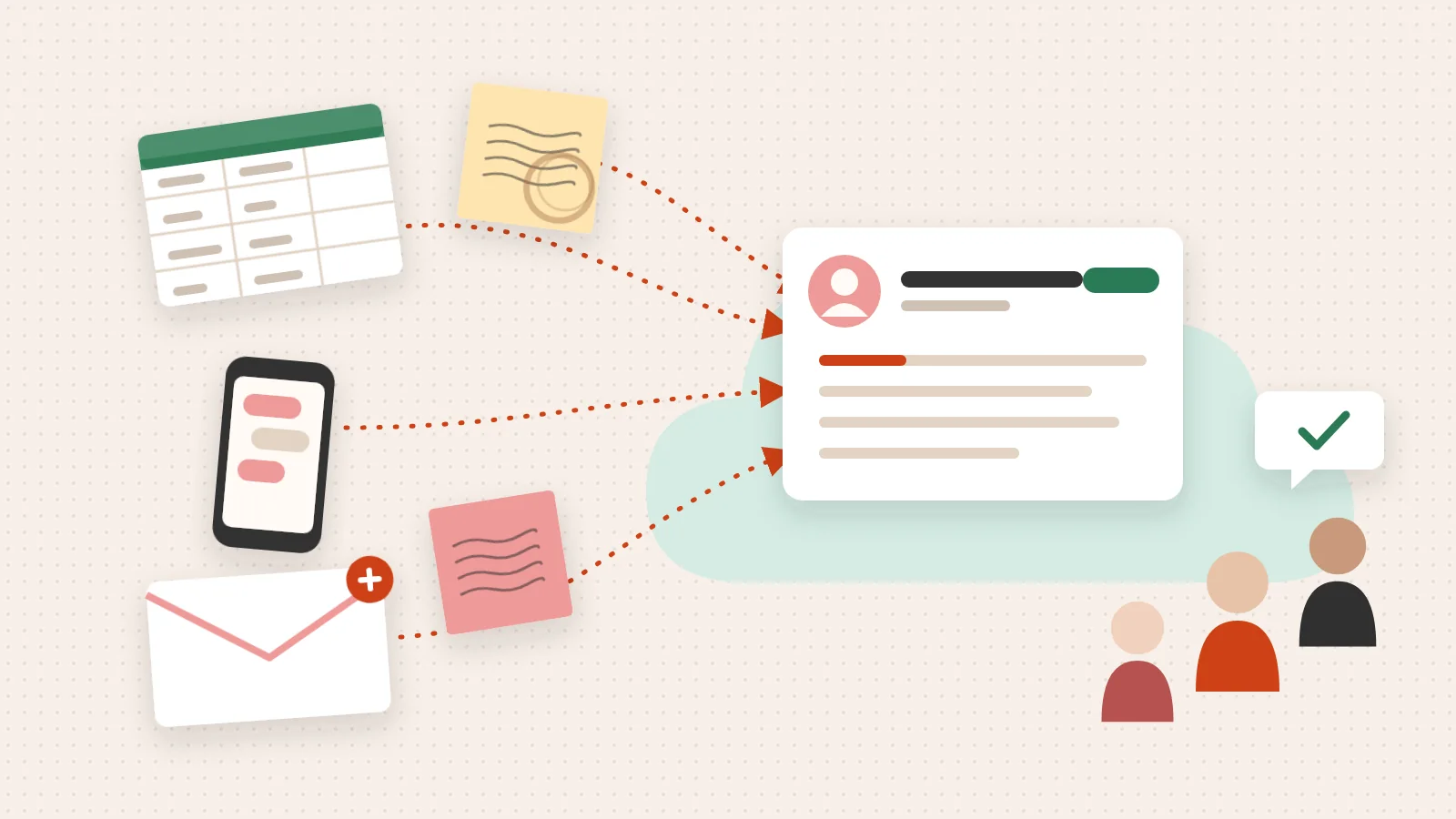
Most teams aren’t lacking data. They’re lacking clarity about what the data means — and that gap is expensive.
B2B buying is complex. Decisions involve multiple stakeholders, long timelines, and layers of internal approval. Without analytics built for that reality, you’re optimizing for the wrong signals.
That’s where most dashboards fail. They measure activity. B2B marketing analytics should measure momentum.
I’m Jeremy Wayne Howell, a revenue growth strategist with over 20 years of experience helping founders and revenue teams build clarity around what is B2B marketing analytics and how to use it to diagnose — not just describe — what’s driving or selling growth. In the sections ahead, we’ll break down exactly how this works and how to build a system that actually tells you the truth about your revenue.
What is B2B Marketing Analytics?
At its core, understanding what is B2B marketing analytics requires moving past the idea that marketing is just about “getting the word out.” In the B2B world, marketing is a series of psychological touchpoints designed to reduce the risk of a high-stakes purchase. Analytics is the lens that lets us see if those touchpoints are actually working.
When we talk about Marketing Data Analysis, we are looking for the narrative hidden within the numbers. We want to know how a whitepaper download in April 2026 leads to a discovery call in June and a closed-won deal in October. This process involves tracking the entire revenue cycle—the journey from an anonymous visitor to a loyal advocate.
Effective analytics allow for Data-Driven Decisions. Instead of guessing which channel deserves more budget, we look at behavioral insights. We ask: “Which content pieces actually moved the needle for our ideal customer profile?” By analyzing these patterns, we stop chasing vanity metrics and start focusing on the behavioral shifts that signal a buyer is ready to move forward.
The Psychology of the Long Game: Why B2B Analytics Differs from B2C
The reason many B2B leaders feel frustrated with their reporting is that they are using B2C logic in a B2B world. In B2C, the path is often linear and emotional: see ad, click ad, buy shoes.
In B2B, we are dealing with “Buying Committees.” According to research, the average B2B deal now involves 6 to 10 stakeholders. This means your analytics can’t just track a “user”; they must track an account.
| Feature | B2C Marketing Analytics | B2B Marketing Analytics |
|---|---|---|
| Buyer Identity | Individual consumer | Multiple stakeholders/Buying committee |
| Sales Cycle | Minutes to days | Months to years |
| Data Volume | High volume, lower value per lead | Lower volume, high contract value |
| Primary Goal | Immediate conversion/Transaction | Relationship building and trust |
| Attribution | Often last-click or direct | Multi-touch and account-based |
Because of these long cycles, Business Data Analysis in a B2B context must account for the “dark funnel”—the places where buyers research you (like Slack communities or podcasts) that don’t always show up in a standard tracking link. We have to measure the momentum of trust, not just the frequency of clicks.
Measuring Momentum: Key Components and Metrics
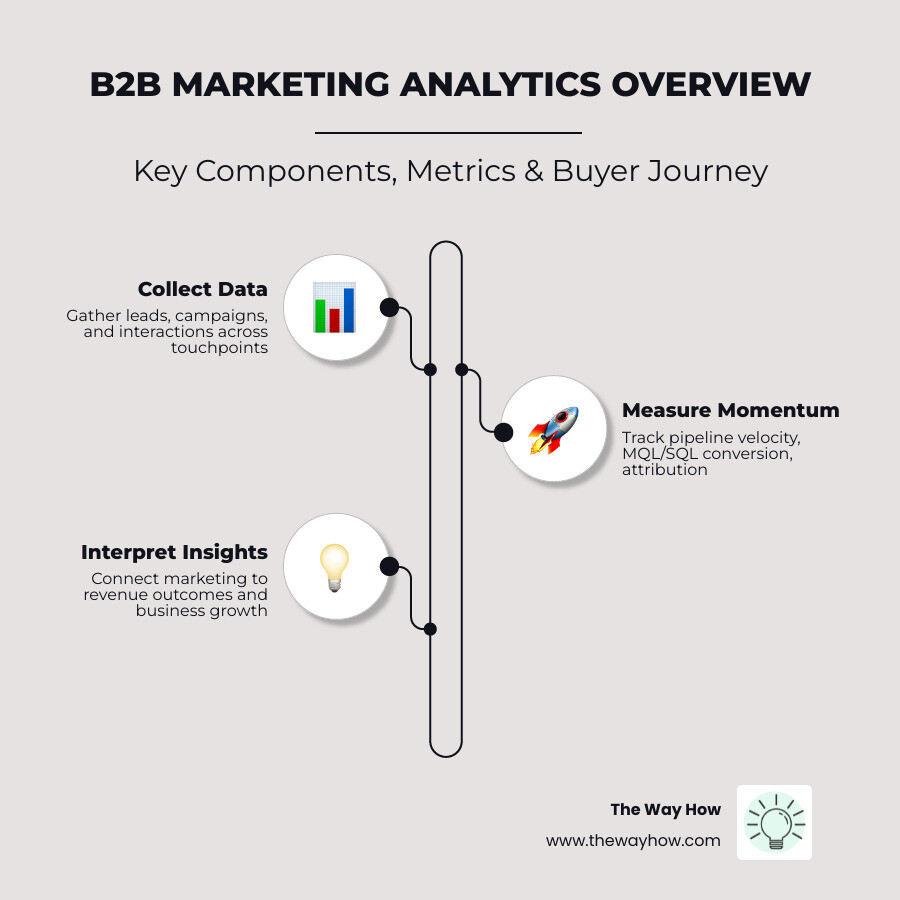
To truly grasp what is B2B marketing analytics, we have to look at the specific metrics that indicate health in a complex sales system. We categorize these into lead quality and revenue attribution.
Defining What is B2B Marketing Analytics Through Lead Quality
The age-old friction between sales and marketing usually stems from a lack of shared definitions. Marketing celebrates “leads,” while Sales complains about “junk.” Analytics bridges this gap by quantifying lead quality.
- MQL (Marketing Qualified Lead) vs. SQL (Sales Qualified Lead): We track the conversion rate between these two stages to see if marketing is attracting the right people.
- Pipeline Velocity: This measures how fast leads move through your stages. If leads are stalling in the “Discovery” phase, your analytics should diagnose why. Is it a lack of case studies? A pricing objection?
- Conversion Rates by Source: Knowing that LinkedIn brings in 10% of leads but 50% of your revenue is a vital insight that only What is Revenue Cycle Analytics can provide.
Understanding What is B2B Marketing Analytics in Revenue Attribution
Attribution is the art of assigning credit to the various marketing efforts that contributed to a sale. Since a B2B buyer might visit your site 20 times before talking to sales, “last-click” attribution is dangerously misleading.
- Multi-Touch Attribution: This looks at the entire journey. Did they find you via SEO, return via a retargeting ad, and finally convert after an email newsletter?
- Customer Lifetime Value (CLV): In B2B, the first sale is often just the beginning. We use Revenue Cycle Management Analytics to understand which marketing channels bring in the customers who stay the longest and grow the most.
- ROI and CAC: We must constantly weigh the Cost Per Acquisition (CAC) against the total revenue generated to ensure the growth engine is actually profitable.
Building Your System: Tools and Effective Implementation
You cannot manage what you do not measure, but you also cannot measure what you haven’t organized. Implementation is where most firms stumble because they buy tools before they define their strategy.
We often recommend a robust Hubspot Analytics setup because it acts as a single source of truth. When your CRM (where sales lives) and your marketing automation (where marketing lives) share the same database, the “certainty gap” begins to close.
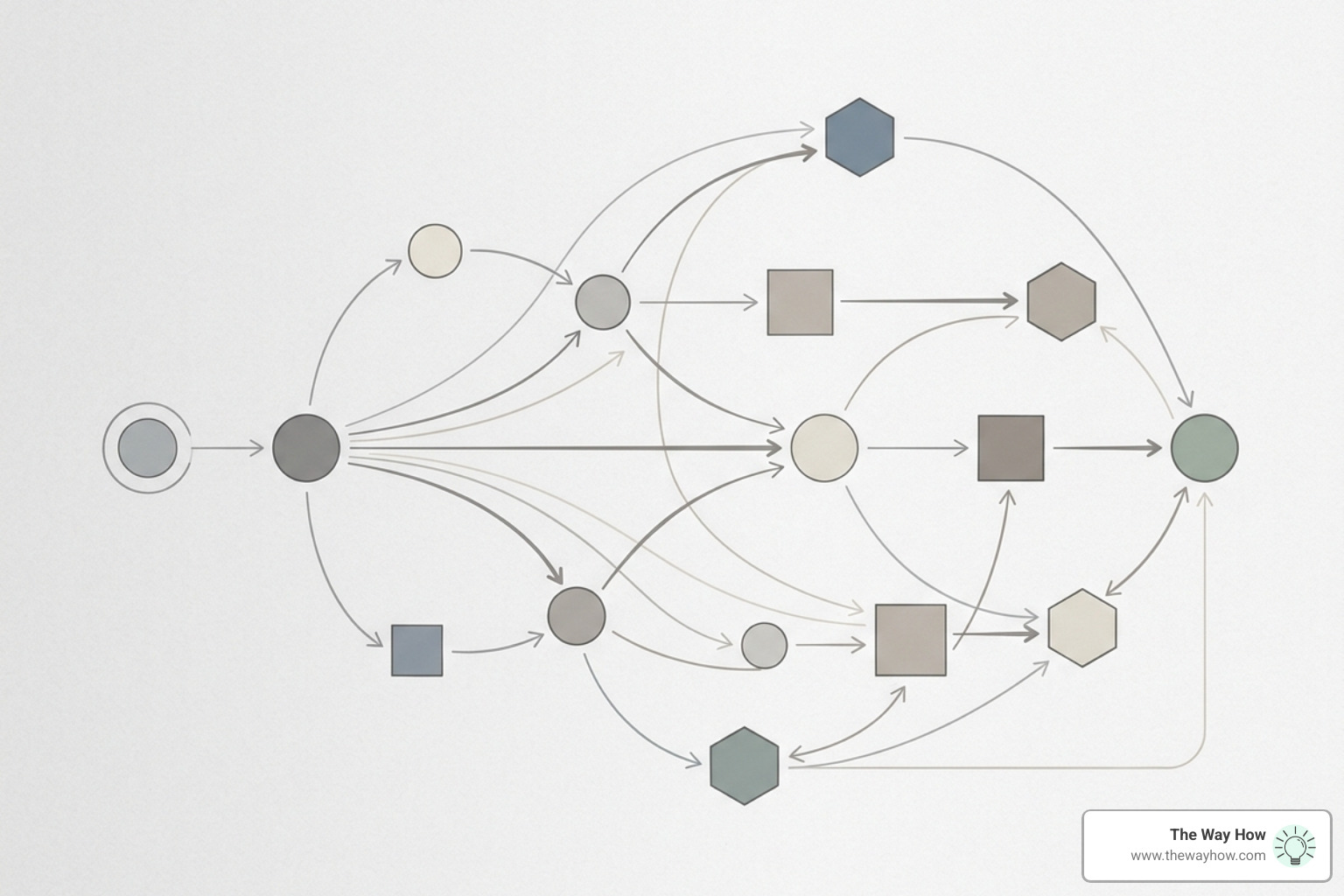
Effective implementation requires:
- Data Hygiene: If your data is messy, your insights will be wrong. We help teams clean their properties and standardize how data is entered.
- CRM Integration: Marketing data is useless if it doesn’t talk to the sales team’s activities.
- Custom Dashboards: Stop looking at the default reports. You need Marketing Analytics Solutions that reflect your specific buyer journey and business goals.
Overcoming the Friction: Challenges and Future Trends in 2026
As we navigate through 2026, the landscape of what is B2B marketing analytics is shifting. Privacy regulations (like the evolution of GDPR and the death of third-party cookies) have made traditional tracking harder.
However, this is actually a win for psychology-first marketers. When we can’t rely on invasive tracking, we have to rely on intent and behavior.
- AI-Driven Predictive Modeling: We are seeing a shift from looking at what happened (descriptive analytics) to predicting what will happen (predictive analytics). AI can now identify “intent signals” across the web, telling us which accounts are likely in a buying cycle before they ever fill out a form.
- Data Silos: The biggest challenge remains the “silo.” Marketing, Sales, and Customer Success often use different tools and speak different languages. Overcoming this requires a unified revenue operations (RevOps) mindset.
- The Human Element: Despite the rise of AI, B2B buying remains a human-to-human interaction. Future trends focus on “sentiment analysis”—using data to understand the emotional state of a lead based on their interactions.
According to recent research on B2B buying behavior, buyers spend only 17% of their total purchase journey meeting with potential suppliers. The rest is spent on independent research. Your analytics must be able to “see” that independent research to be effective.
Frequently Asked Questions about B2B Marketing Analytics
How does B2B marketing analytics integrate with sales?
It integrates by creating a feedback loop. Marketing uses analytics to see which leads are closing, and Sales uses marketing data to understand the “context” of a lead before they pick up the phone. If a salesperson knows a lead has read three articles on “ROI calculation,” they can tailor their pitch accordingly.
What is the most important B2B metric in 2026?
While it depends on your goals, Pipeline Velocity is often the most telling. It combines the number of leads, deal size, and win rate, divided by the length of the sales cycle. It is the ultimate measure of “momentum.”
How do you start with B2B marketing analytics?
Start small. Don’t try to track 100 things. Pick three key questions you need to answer (e.g., “Where do our best customers come from?”) and build the tracking necessary to answer them. Ensure your CRM is the foundation.
Restoring Momentum: Turning Data into a Growth Engine
Understanding what is B2B marketing analytics is the first step toward removing the “uncertainty gaps” that plague most leadership teams. When you stop guessing and start diagnosing, you transform marketing from a cost center into a predictable revenue engine.
At The Way How, we don’t just give you a dashboard; we help you understand the human behavior behind the data. Whether through Fractional CMO leadership or a deep dive into your HubSpot architecture, our goal is to create strategic clarity.
If you’re tired of looking at charts that don’t result in more revenue, it might be time to look at your Revenue Cycle Analytics Complete Guide or explore how we can help you design a system rooted in empathy and decision-making psychology.
Ready to find clarity in your data? Explore our services here.