
Beyond the Spinning Plates: Why Your Tech Stack is Stalling

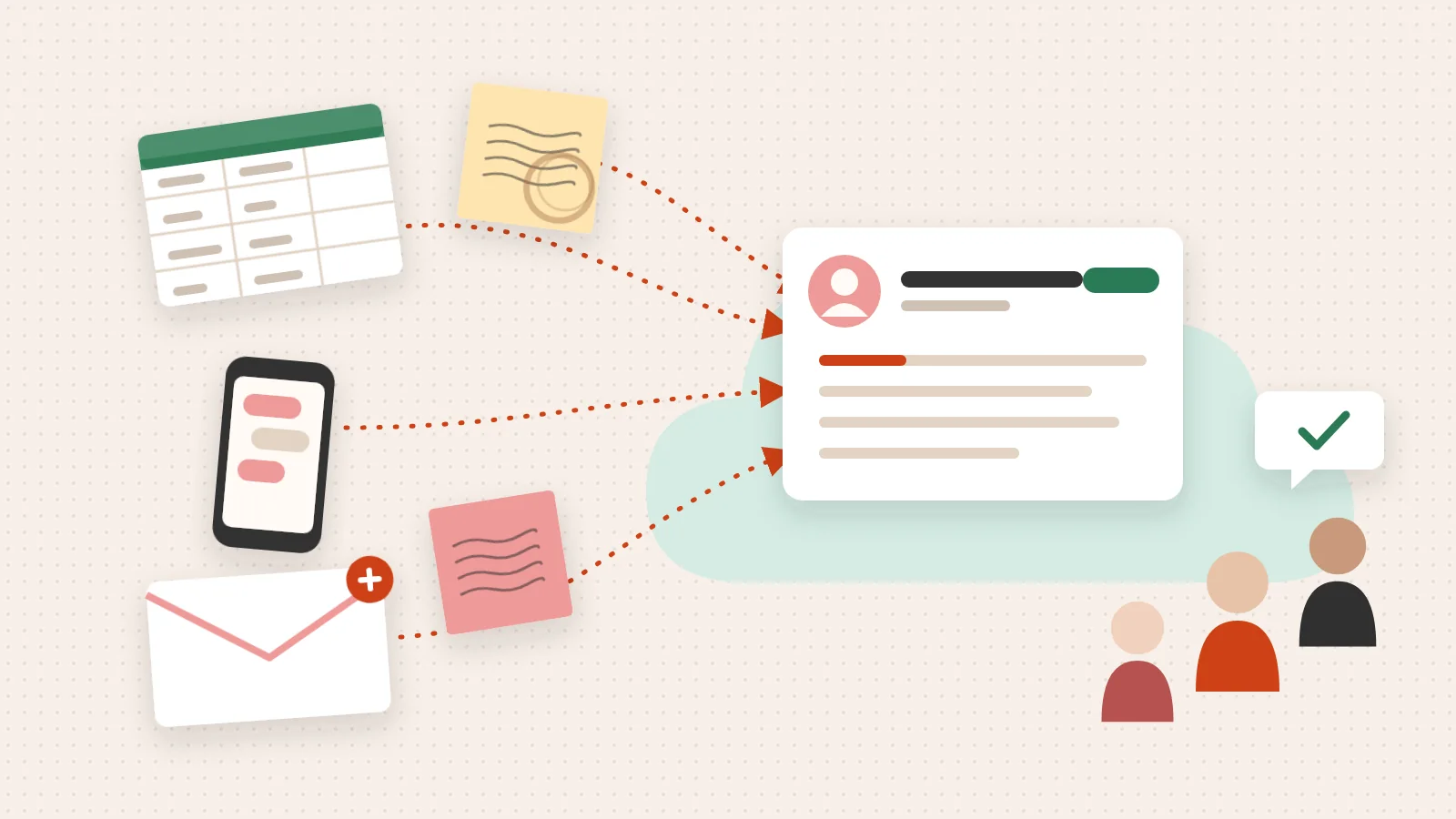
Marketing automation tools are software platforms that replace manual, repetitive marketing tasks — like sending emails, scoring leads, and managing campaigns — with automated, behavior-driven workflows.
Here’s a quick breakdown of what they do and who they’re for:
| What They Do | Who They’re For |
|---|---|
| Automate email sequences and drip campaigns | SMBs looking to scale without hiring |
| Score and route leads to sales teams | B2B revenue teams with long sales cycles |
| Personalize content across channels | E-commerce brands driving repeat purchase |
| Track ROI across campaigns | Executives who need clear attribution |
| Integrate CRM, CMS, and ad platforms | Ops teams unifying fragmented tech stacks |
The promise is simple: do more, with less manual effort, and reach the right person at the right time.
But here’s what most guides won’t tell you.
Most teams don’t stall because they picked the wrong tool. They stall because they automated before they understood the buyer. The result? Faster delivery of the wrong message. More volume, less trust.
Marketing can start to feel less like strategy and more like spinning plates — different channels, different audiences, different offers, and one wrong move sends them crashing. The more you grow, the more plates there are.
The tools aren’t the problem. The sequence is.
I’m Jeremy Wayne Howell, a revenue growth strategist with over 20 years of experience helping founders and executives implement marketing automation tools that reflect how buyers actually think — not just how org charts are drawn. This guide is built to help you choose, diagnose, and deploy the right automation strategy before you invest another dollar in the wrong direction.
When we see growth stall, it is usually due to a “certainty gap.” This is the space between what a buyer needs to feel safe making a decision and what your automated systems are actually providing. From a decision-making psychology perspective, human beings are wired to avoid risk. If your automation feels robotic or mistimed, it triggers a “sales alarm” in the buyer’s brain, creating friction rather than momentum.
We believe that true automation shouldn’t just be about efficiency; it should be about scaling empathy. By understanding the human behavior behind the click, we can design systems that create trust and predictable revenue.
The Psychology of Scaling Empathy with Marketing Automation Tools
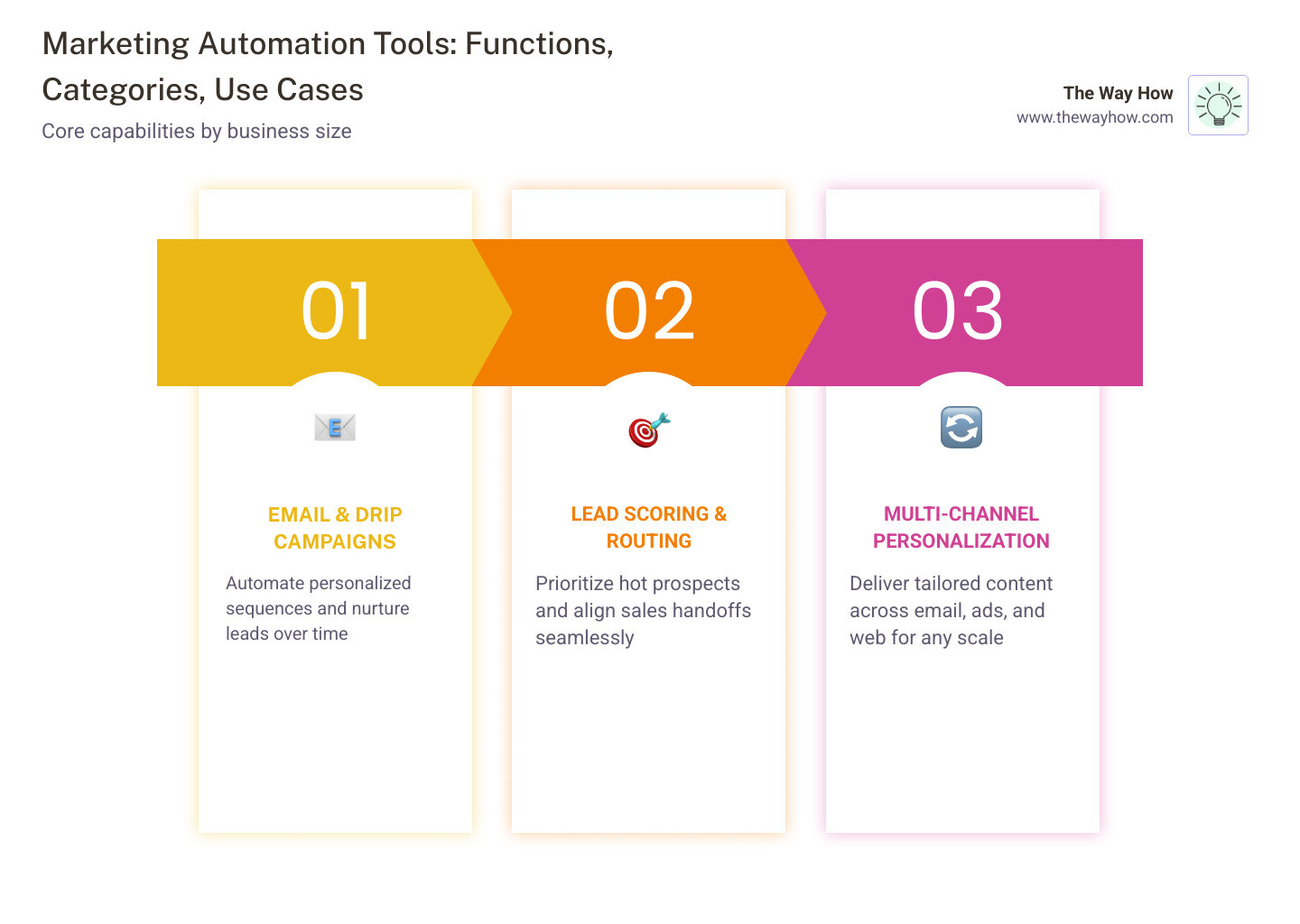
At its core, marketing automation performs several critical functions: email scheduling, lead scoring, audience segmentation, and multi-channel campaign management. However, the real value lies in how these functions support the customer journey.
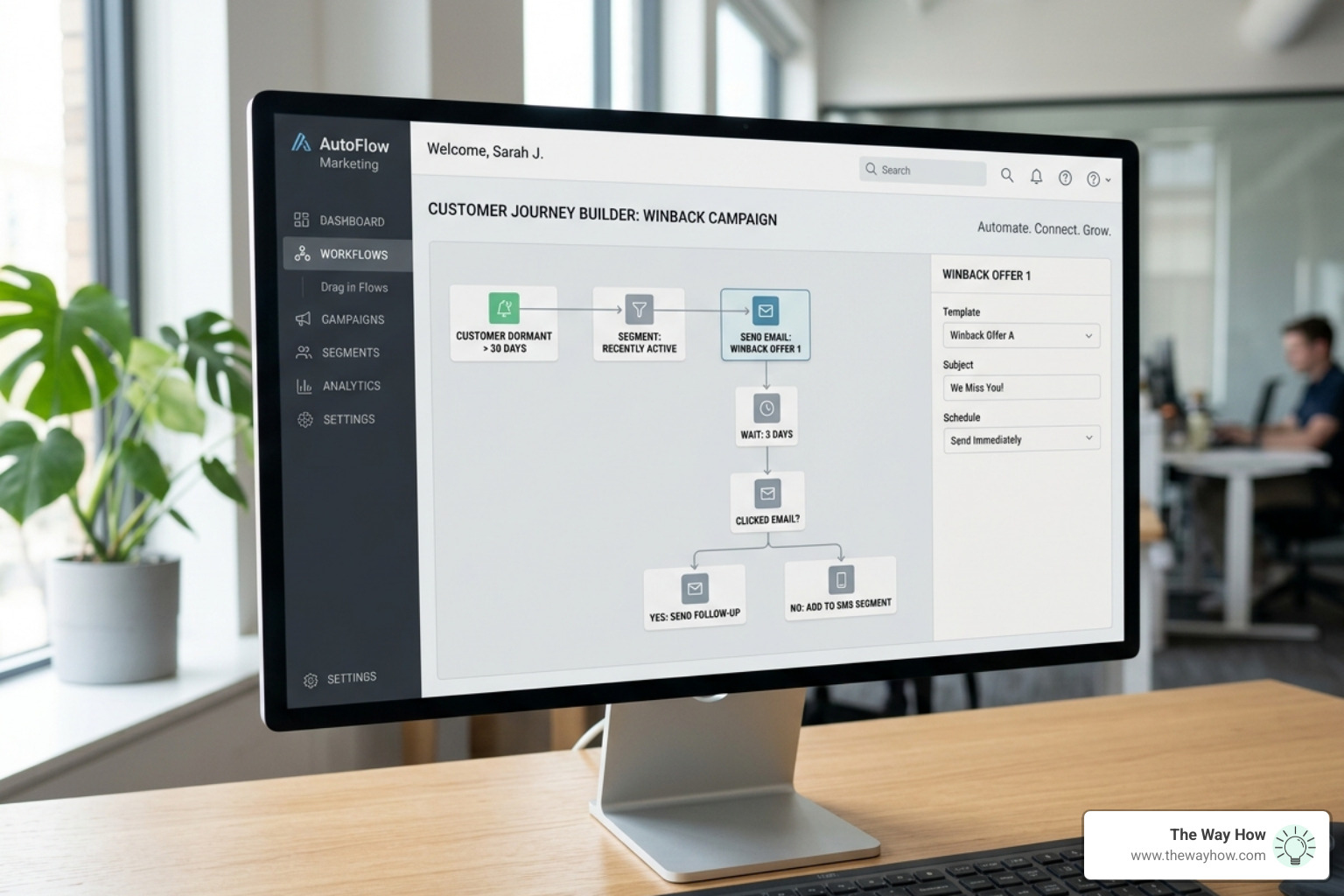
A customer journey is not a linear path; it is a series of moments where a lead either gains momentum or loses interest. Marketing automation tools allow us to use behavioral triggers — like a whitepaper download or a specific page visit — to send “drip campaigns” that nurture the lead based on their specific needs.
If you are looking for a deeper dive into how to structure these workflows, our Marketing Automation Hubspot Guide explores how to align your technical setup with buyer psychology.
| Engagement Metric | Manual Outreach | Automated Engagement |
|---|---|---|
| Response Speed | Hours to Days | Instant (Real-time) |
| Personalization | High (but unscalable) | High (at scale via data) |
| Consistency | Variable | 100% Reliable |
| Data Tracking | Fragmented | Unified |
The 119% Click-Rate Advantage
The data from April 2026 is clear: automated emails achieve 119% higher click rates than standard broadcast emails. Why? Because relevance is the currency of trust. When you send content that aligns with a buyer’s recent behavior, you are proving that you understand their problem.
Research shows that emails with relevant, personalized content drive 18x more revenue than generic broadcasts. This isn’t just about “inserting a first name” into a subject line. It’s about using Marketing Automation Software Examples to deliver the right case study at the exact moment a lead is evaluating your solution.
Mapping the Customer Journey
To restore momentum in a stalled funnel, we must analyze every touchpoint. Are your marketing automation tools building trust, or are they simply adding noise?
We use Hubspot Marketing Automation to map out these journeys visually. By identifying where leads drop off, we can diagnose the certainty gap and implement automated interventions — such as a helpful video or a FAQ document — that provide the emotional safety a buyer needs to move forward.
Diagnosing the Certainty Gap: Essential Features for Every Growth Stage
Not all tools are created equal, and your choice should depend on your current stage of growth. However, certain features are non-negotiable if you want to move beyond simple task execution.
Essential capabilities include:
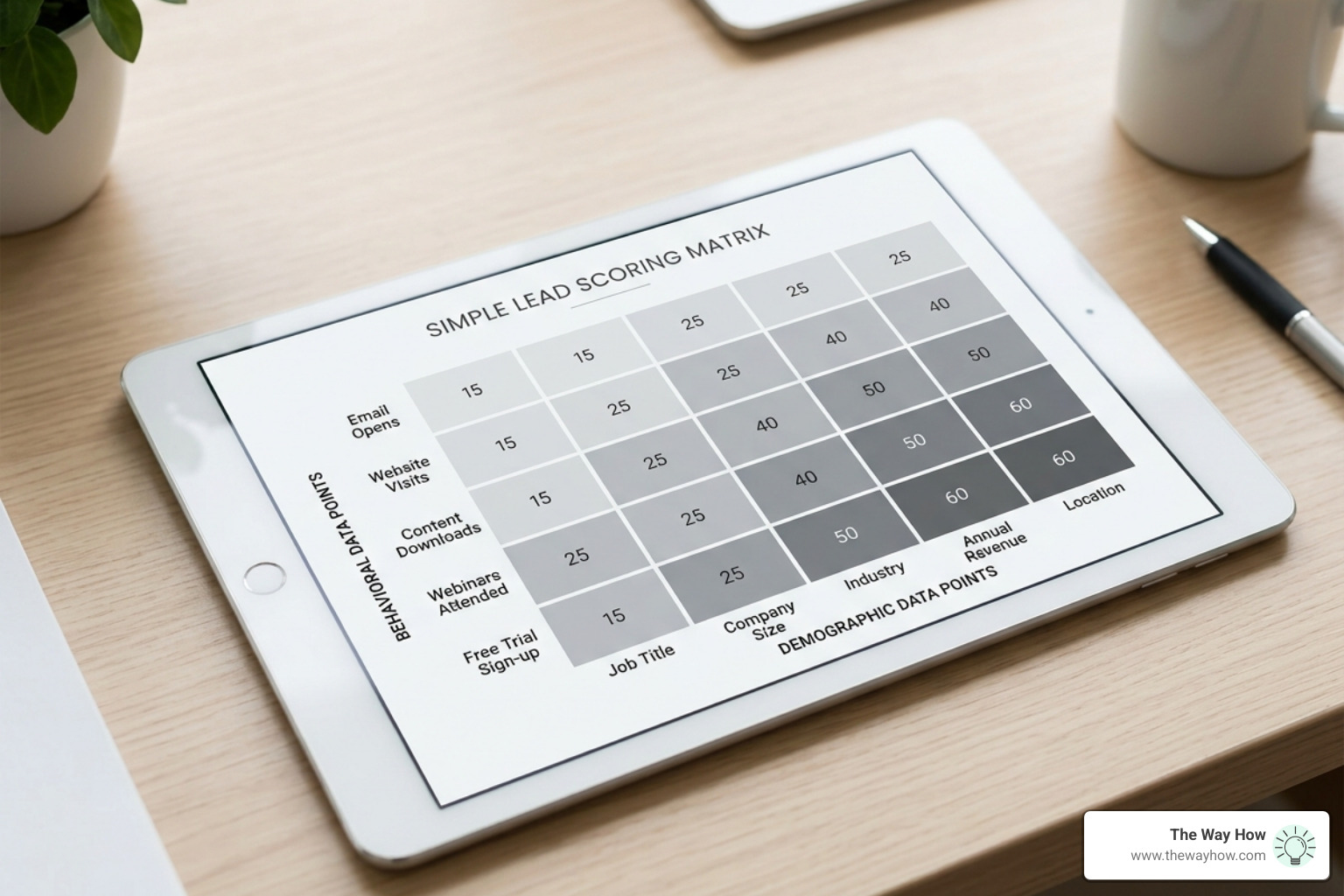
- Lead Scoring: Combining behavioral data (video views, downloads) with demographic grades (job title, company size).
- Multi-channel Orchestration: Managing journeys across email, SMS, social, and web.
- Dynamic Content: Changing the website or email experience based on who is looking at it.
Platforms like Marketo Engage Marketing Automation | Adobe Experience Cloudare specifically designed for this level of sophisticated orchestration, particularly for large-scale operations.
Lead Management and Scoring
Prioritization is the key to sales alignment. If your marketing team is passing every single lead to sales, you are creating friction. Marketing automation tools allow you to score leads so that only those with high intent reach a human representative.
This increases funnel velocity and ensures your sales team spends their time on the most promising opportunities. For more on this, see our B2B Marketing Automation Examples Guide.
Content and Asset Management
A common challenge for growing teams is managing a library of content. Modern tools help you repurpose assets effectively. Using Marketing Automation Hubspot, you can implement predictive content selection, where AI chooses the best asset to show a prospect based on their past interactions.
The 2026 Marketing Automation Tools Shortlist
Choosing a tool is a high-stakes decision. You must consider the price-to-value ratio, usability, and how well it integrates with your existing stack.
Best Marketing Automation Tools for Small Business
For smaller teams, the focus should be on ease of use and quick ROI.
- Brevo: Known for its excellent deliverability and a free plan that supports up to 300 emails per day.
- Omnisend: A “no-brainer” for e-commerce, offering 24/7 support and deep integrations with platforms like Shopify.
- ActiveCampaign: Offers a powerful balance of automation and CRM, with workflows available in 13 languages and pricing starting as low as $19/month.
- Kit (formerly ConvertKit): Ideal for creators and bloggers who need simple, effective nurturing.
You can find a more detailed breakdown in our guide on the Best Marketing Automation Tools For Small Business.
Enterprise-Grade Marketing Automation Tools
Enterprises require scalability, security, and complex multi-channel capabilities.
- Salesforce Marketing Cloud: A perennial leader in the Gartner Magic Quadrant for both CDP and B2B automation. It is a powerhouse for data aggregation and cross-channel orchestration.
- Oracle Eloqua: Celebrated for its 13-year streak as a Gartner leader, Eloqua Marketing Automation | Oracleoffers “Program Canvas” for real-time workflow triggers and sophisticated account-level scoring.
- Adobe Marketo Engage: Excellent for proving marketing impact on revenue through multi-touch attribution and deep CRM bi-directional sync.
All-in-One Solutions for Unified Strategy
If you want to eliminate data silos, an all-in-one platform is often the best path.
- HubSpot: The gold standard for usability. While Professional plans start at $890/month, the integration between marketing, sales, and service is seamless.
- SharpSpring: A cost-effective alternative that unifies SharpSpring Marketing Automation and CRMinto a single interface, making it a favorite for agencies.
- Insider One: Supports over 12 marketing channels natively. Real-world results include a 159% increase in conversion rates for brands using their on-site reminders.
The Rise of AI Agents and Autonomous Strategy
By April 2026, the conversation has shifted from “automation” to “autonomy.” We are no longer just building workflows; we are deploying AI agents.
These agents can manage customer inquiries, monitor social media sentiment, and even generate personalized content briefs. Platforms like HubSpot have introduced “Breeze AI,” which can resolve over 65% of customer inquiries automatically, allowing your human team to focus on high-level strategy.
From Task Automation to Autonomous Marketing
Traditional automation runs what you build. Autonomous marketing builds what you need. Tools like ActiveCampaign now use “Active Intelligence” to visualize goals and automatically adjust campaign timing or content to reach them. This allows teams to go to market up to 3x faster by removing the guesswork from campaign setup.
AI Search and the New Search Landscape
The search landscape is changing. AI search engines like Perplexity and ChatGPT are intercepting up to 25% of traditional search traffic. This has given rise to AEO (Answer Engine Optimization). Modern marketing automation tools now include AEO graders to track how often your brand appears in AI-generated answers, ensuring you capture high-intent visitors even when they aren’t clicking through to your site.
Bridging the Data Silos: CRM Integration and Implementation Pitfalls
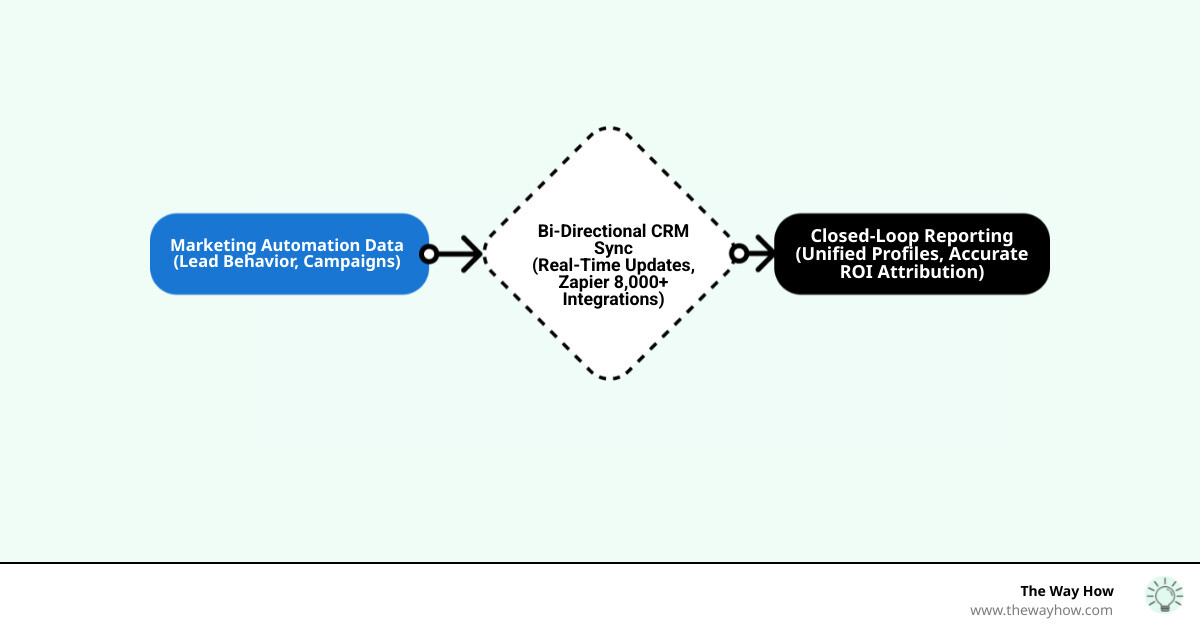
The most powerful automation in the world is useless if it sits in a silo. Integrating your marketing automation tools with a CRM is essential for “closed-loop reporting” — the ability to see exactly which campaign led to a closed deal.
The CRM Connection
A bi-directional sync ensures that when a lead’s behavior changes in your marketing tool, your sales reps see it instantly in the CRM. This unified customer profile is the foundation of trust. Tools like Zapier, which now connects with over 8,000 apps, act as the “glue” for teams that prefer a best-of-breed stack over an all-in-one solution.
Common Challenges and Drawbacks
Implementation is rarely a “set it and forget it” process. Common pitfalls include:
- Technical Debt: Choosing a tool that is too complex for your team to manage.
- High Onboarding Fees: HubSpot, for example, can require onboarding fees ranging from $3,000 to $6,000.
- Irrelevant Messaging: Poorly configured triggers can send the wrong message at the wrong time, damaging your brand’s reputation.
Frequently Asked Questions about Marketing Automation Tools
What are the core functions of marketing automation tools?
They streamline repetitive tasks like email scheduling, lead scoring, audience segmentation, and multi-channel campaign management. Their primary goal is to improve operational efficiency and ensure consistent engagement across the customer lifecycle.
How does AI enhance marketing automation in 2026?
AI has evolved into autonomous agents. These tools don’t just send emails; they analyze real-time data to optimize ad spend, generate personalized content, and even handle customer service inquiries via LLM-powered chat agents.
Why is CRM integration essential for automation?
Without CRM integration, your sales and marketing teams are working with different data. Integration provides a single source of truth, allowing you to track the entire buyer journey from the first click to the final sale, enabling accurate ROI measurement.
Restoring Momentum: From Tool Management to Revenue Strategy
At The Way How, we see tools as the “how,” but psychology as the “why.” If your growth has stalled, it is rarely because you need a more expensive software subscription. It’s usually because there is a lack of clarity in your system.
We specialize in removing that uncertainty. Whether through Fractional CMO leadership or HubSpot architecture, we help founders design revenue engines rooted in empathy and human behavior. We don’t just help you manage your marketing automation tools; we help you turn them into a dependable growth engine that builds trust and momentum.
If you’re ready to stop spinning plates and start building a strategy that actually converts, we invite you to learn more info about our services. Let’s diagnose the gap and restore your momentum.