
Beyond the Feature List: Why Most Implementations Fail Before the First Line of Code

An ERP CRM development company builds custom software that connects your business operations — finance, inventory, HR, sales, and customer management — into one unified system tailored to how your business actually works.
Quick answer: What to look for in an ERP CRM development company:
Choosing the wrong partner is expensive — not just in dollars, but in time, trust, and momentum.
The numbers tell a sobering story. ERP implementation can cut operational costs by 23% and administrative costs by 22%. CRM delivers an average ROI of $8.71 for every dollar invested. Yet implementations fail regularly — not because the technology is bad, but because the wrong questions were asked before the first line of code was written.
Most businesses approach this decision like a feature comparison. They build a checklist of modules, ask for demos, and pick whoever sounds most confident. What they skip is the harder diagnostic work: understanding whether a vendor truly grasps their business logic, their team behavior, and the organizational friction that will determine whether the system gets adopted or quietly abandoned.
The business process automation market is forecast to reach $41.8 billion by 2033. The pressure to act is real. But speed without clarity is just expensive chaos.
This checklist exists to slow you down in exactly the right places.
I’m Jeremy Wayne Howell, a revenue growth strategist with 20+ years helping companies align systems, messaging, and buyer psychology to drive predictable growth — including hands-on implementation of CRM architecture and go-to-market strategy that informs how I evaluate any ERP CRM development company. That experience shapes every criterion in this checklist, because the technical decision is never just technical.
Relevant articles related to erp crm development company:

When we talk to leadership teams about why their previous software projects stalled, they usually point to technical bugs or missed deadlines. But if we dig deeper into the human behavior and decision-making psychology at play, the real culprit is almost always a “certainty gap.”
A certainty gap occurs when there is a disconnect between how a business thinks it operates and how its people actually behave. If your ERP CRM development company doesn’t start by diagnosing these gaps, they will simply digitize your existing chaos.
Strategic clarity is the prerequisite for any line of code. Without it, you face the high cost of strategic misalignment: wasted developer hours, low user adoption, and a system that feels like a burden rather than an engine. We believe that software should be a reflection of a clear revenue strategy, not a substitute for one.
Defining the Strategic Divide: ERP vs. CRM in the Modern Enterprise
To choose the right partner, we must first be clear on what we are building. While often mentioned in the same breath, ERP and CRM serve different masters within your organization.
- ERP (Enterprise Resource Planning): This is the “back office” brain. It focuses on centralized management of internal processes like finance, purchasing, logistics, and HR. Its goal is operational efficiency and data transparency across departments.
- CRM (Customer Relationship Management): This is the “front office” heart. It manages the customer lifecycle, from lead capture to sales pipelines and support. Its goal is to improve customer retention and drive revenue.
According to ERP Software Statistics 2025, 53% of organizations now favor cloud-based ERP solutions to ensure process consistency across remote or global teams.
Why an Integrated ERP CRM Development Company Is Your Best Bet
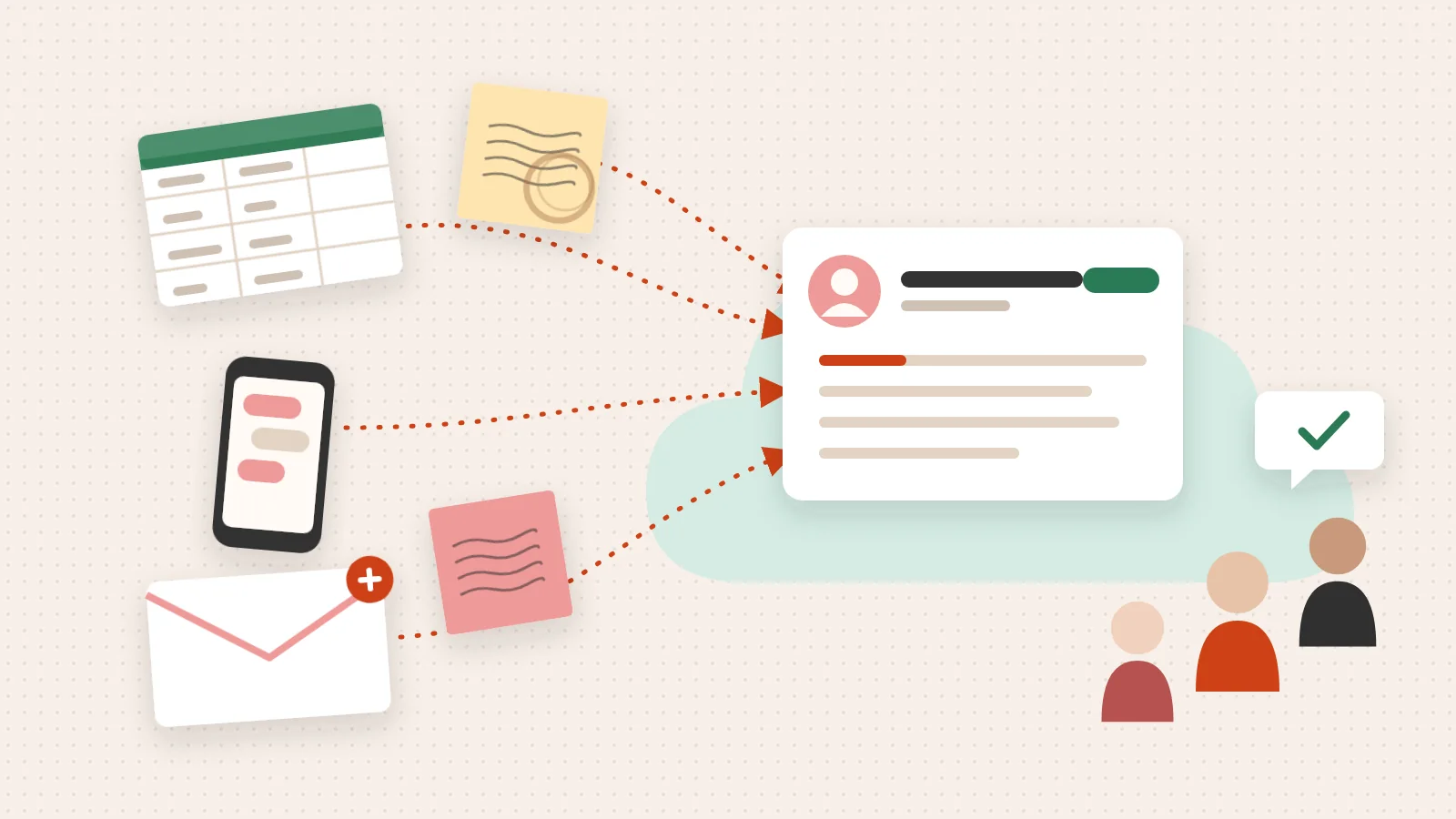
The danger of hiring separate vendors for these systems is the creation of data silos. When your sales team (CRM) can’t see the inventory levels or credit status (ERP) of a client, friction occurs.
An integrated ERP CRM development company builds a “unified source of truth.” This creates cross-departmental empathy; when the warehouse knows what the sales team promised, and the sales team knows what the warehouse can deliver, the business runs as a single revenue engine. For a deeper dive into how these systems are built, you can explore more about CRM Development.
The Build vs. Buy Dilemma: Choosing Custom Over Off-the-Shelf
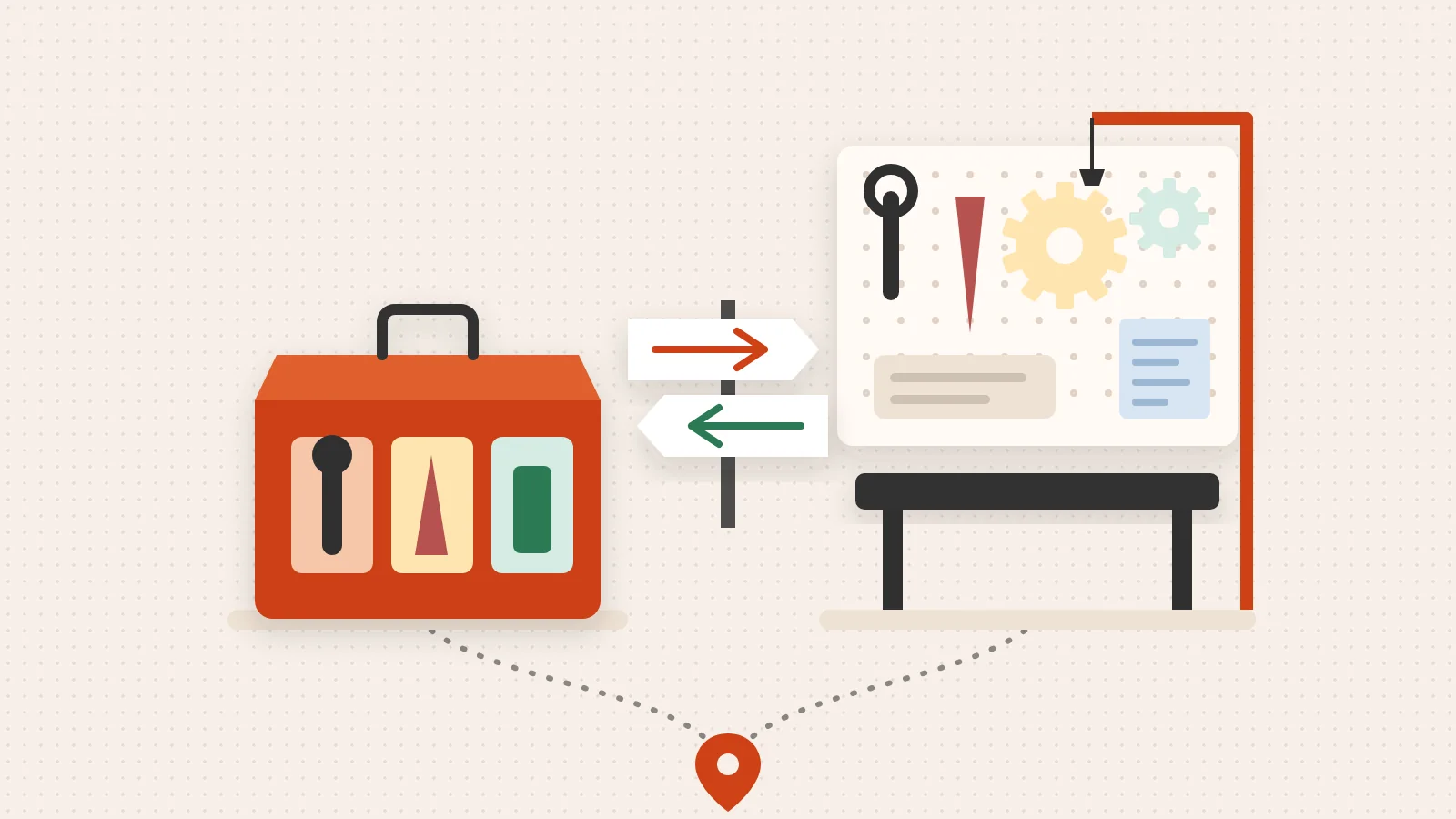
Many founders ask us: “Why not just buy a subscription to a major SaaS platform?” The answer lies in your competitive advantage. Off-the-shelf software forces you to adapt your unique business logic to their rigid templates. Custom development allows the software to adapt to you.
| Feature | Off-the-Shelf (SaaS) | Custom Development |
|---|---|---|
| Scalability | Limited by tier-based pricing and features | Unlimited; grows with your logic |
| Vendor Dependency | High; you are at the mercy of their roadmap | Low; you own the intellectual property |
| Business Logic | You adapt to the software | Software adapts to your workflows |
| Initial Cost | Lower (Subscription-based) | Higher (Capital investment) |
| Long-term TCO | Can be unpredictable as user counts grow | Often lower over 5+ years |
A business-first approach to legacy modernization ensures that you aren’t just replacing old tech with new tech, but actually solving the operational bottlenecks that stall growth.
Maximizing ROI with a Custom ERP CRM Development Company
The financial case for custom work is strong. Beyond the $8.71 ROI for CRM, custom ERP systems are known to cut administrative costs by 22% and operational costs by 23%. When a system is built specifically for your team’s behavior, user satisfaction skyrockets because the tools actually help them do their jobs rather than getting in the way. If you are looking for specialists in this area, see our guide on CRM Software Developers.
The 7-Step Checklist for Selecting Your ERP CRM Development Company
Selecting a partner is a high-stakes decision. Use this checklist to filter for partners who act as strategic guides, not just order-takers.
- Technical Discovery Depth: Does the company insist on a multi-week discovery phase to map your processes, or do they jump straight to a quote?
- Domain Expertise: Have they solved problems in your specific industry (e.g., manufacturing, logistics, or healthcare)?
- Cultural Fit and Communication: Do they speak the language of your business, or do they hide behind technical jargon?
- Risk Mitigation Strategy: How do they handle weak documentation or shifting requirements? Look for a partner who uses technical discovery to minimize “scope creep.”
- Fixed KPIs and Milestones: Are there clear, measurable markers for success at every stage of the build?
- Code Quality and Audits: Are they open to external code audits or regular quality checks?
- Strategic Alignment: Do they understand your revenue goals? When it comes to automation, choosing the right partner has never been more important to ensure the technology serves the strategy.
Evaluating Technical Prowess and AI Integration
Modern systems are no longer just static databases. Ask your potential ERP CRM development company about their experience with:
- AI/ML Role: Can they implement predictive analytics for sales forecasting or automated inventory replenishment?
- Deployment Flexibility: Do they support cloud (AWS/Azure), on-premise, or hybrid environments based on your security needs?
- API-First Architecture: Is the system designed to talk to other tools via robust API interfaces?
- Microservices: Is the architecture modular, allowing you to update one part of the system without breaking the rest?
For organizations looking for a specific framework, understanding HubSpot CRM Architecture can provide a benchmark for how modern, scalable systems should be structured.
Navigating the Development Lifecycle: From Discovery to Post-Launch Support
A professional development process should feel like a well-orchestrated symphony, not a series of emergencies.
- Requirements Engineering: This is the diagnostic phase where your business logic is translated into technical specifications.
- UI/UX Design: Focuses on human behavior. If the interface is confusing, your team won’t use it, regardless of how powerful the backend is.
- Agile Methodology: Development should happen in 2-week sprints, allowing for regular demos and adjustments.
- QA and Rigorous Testing: Including vulnerability testing and regression testing to ensure the system is resilient.
- Data Migration: The “heavy lifting” of moving legacy data into the new system without corruption or duplicates.
- Post-Launch Maintenance: Expect a structured plan for bug fixes, security patches, and version upgrades.
Mitigating Risks and Ensuring Long-Term Adoption
The biggest risk to your investment isn’t a server crash; it’s a lack of user adoption. To mitigate this, ensure your partner provides:
- Comprehensive Documentation: Both technical (for future developers) and user-facing.
- User Training: Hands-on sessions to ensure every department feels confident in the new system.
- Change Management: Strategies to help your team transition from old habits to new workflows.
- Knowledge Transfer: Ensuring your internal IT team understands the system’s architecture.
Working with experts in CRM Consulting Services can help bridge the gap between technical delivery and organizational change.
Frequently Asked Questions About Custom Enterprise Systems
What is the average cost and timeline for custom development?
For a mid-sized enterprise, a custom ERP or CRM system typically ranges from $80,000 to $300,000. The timeline is generally 6 to 12 months, depending on the number of modules and the complexity of integrations. Factors like data migration from legacy systems (like SAP or Oracle) can also impact the schedule.
Which industries benefit most from these solutions?
While any complex business benefits, we see the highest impact in:
- Manufacturing: For MRP, inventory, and supply chain management.
- Healthcare: For patient records and billing compliance.
- Logistics: For fleet tracking and warehouse optimization.
- Real Estate: For managing high-value lead lifecycles. See more on CRM for Real Estate Developers.
- Retail: For POS integration and loyalty programs.
How do custom systems integrate with existing tools?
Reliable partners use an API-first architecture. This allows your new system to communicate seamlessly with third-party connectors for accounting (QuickBooks, Xero), communication (Slack, Teams), and BI platforms (PowerBI, Tableau). Middleware is often used to bridge gaps between legacy hardware and modern cloud software.
Diagnosing the Path Forward
At The Way How, we don’t believe in chasing tactics or implementing software for the sake of “digital transformation.” We believe in removing uncertainty.
When growth stalls, it’s rarely a lack of effort; it’s a lack of clarity in the customer journey or a friction point in your internal operations. Our psychology-first approach focuses on why your customers buy and how your team works. Whether we are providing Fractional CMO leadership or designing a HubSpot CRM architecture, our goal is to turn your marketing and operations into a dependable growth engine.
If you’re ready to stop adapting your business to your software and start building systems that create trust and momentum, we invite you to explore our services. Let’s identify the certainty gaps in your business and build a roadmap to predictable revenue.